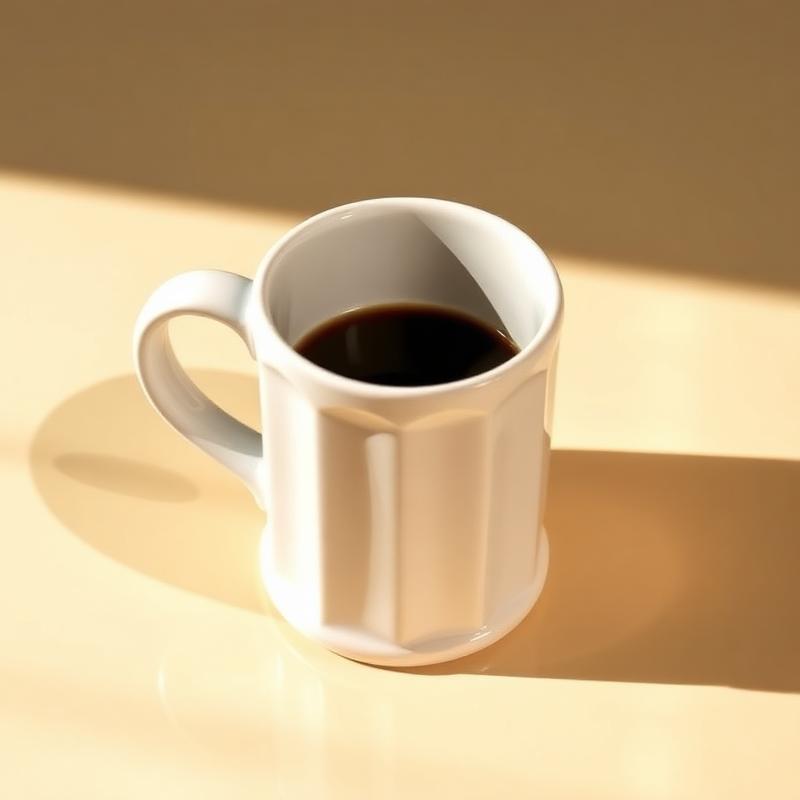
№ 01
●●●●●The Diner Classic
Restaurant-grade vitrified porcelain. Built to be dropped, stacked, and slid down a counter. Holds heat like a small kiln.
- Size
- 10 oz
- Heft
- Heavy
- Best for
- Drip coffee, refills, long conversations
The Field Guide
A working catalog of mug archetypes — the right vessel for the right drink at the right moment. Tap any entry for the full dossier.
№ 01
●●●●●Restaurant-grade vitrified porcelain. Built to be dropped, stacked, and slid down a counter. Holds heat like a small kiln.
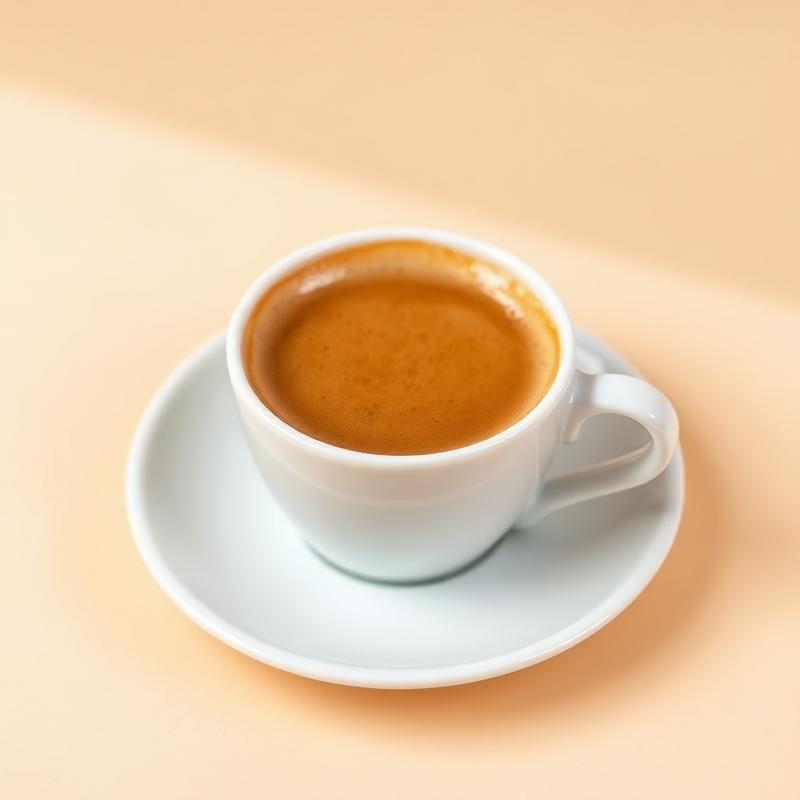
№ 02
●●●●●Small, thick walls, wide opening. The shape isn't decorative — it actively shapes the foam. Don't put drip in it.
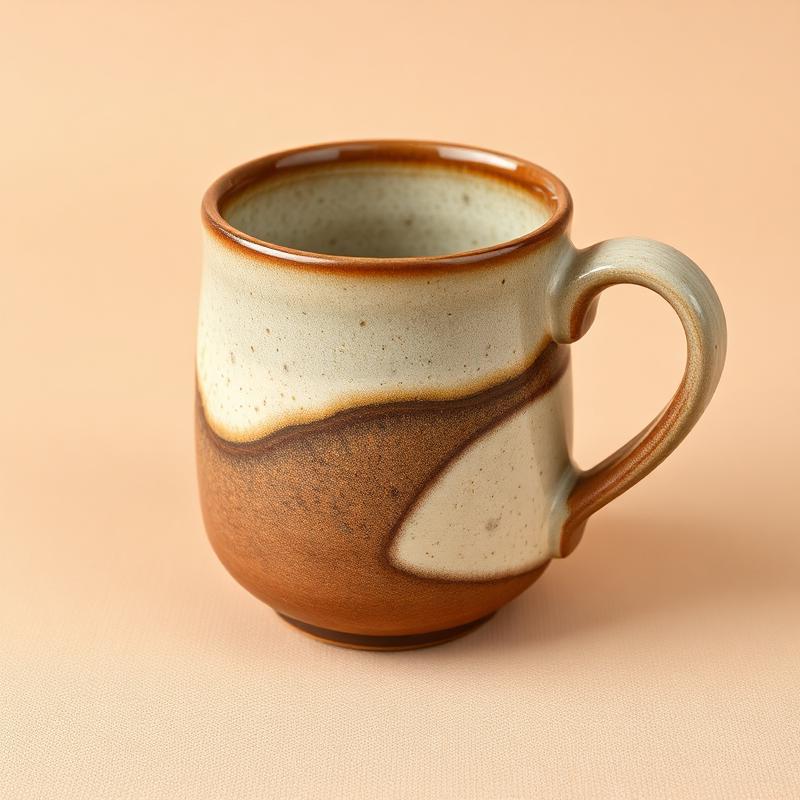
№ 03
●●●●●Made by an actual person with actual hands. Slight wobble. Glaze pools where it wants. You'll defend it from roommates.
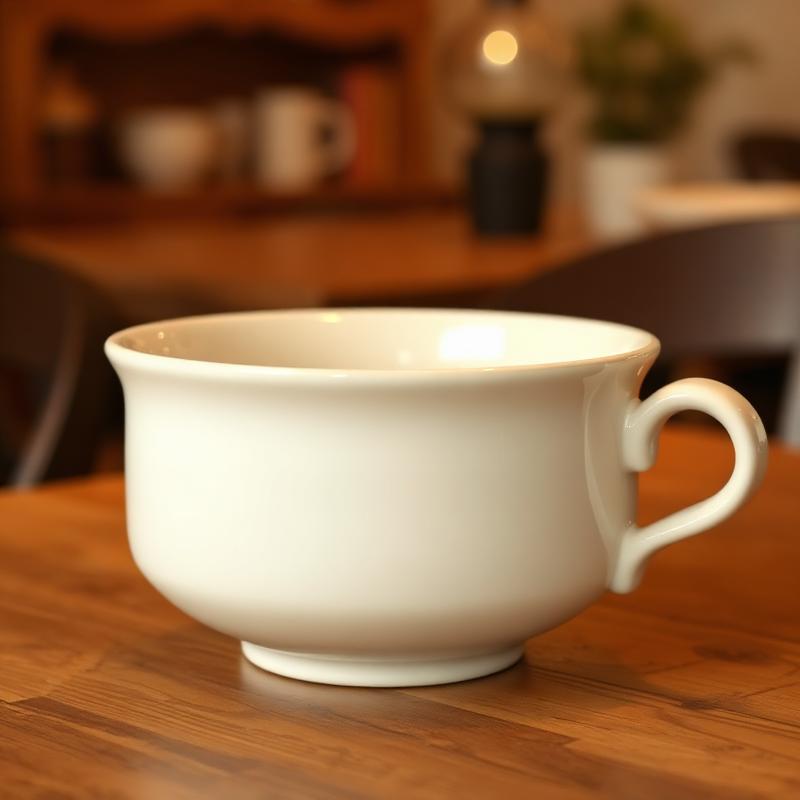
№ 04
●●●●●No handle. By design. You wrap both hands around it like you're reading a tarot card. Extremely French.
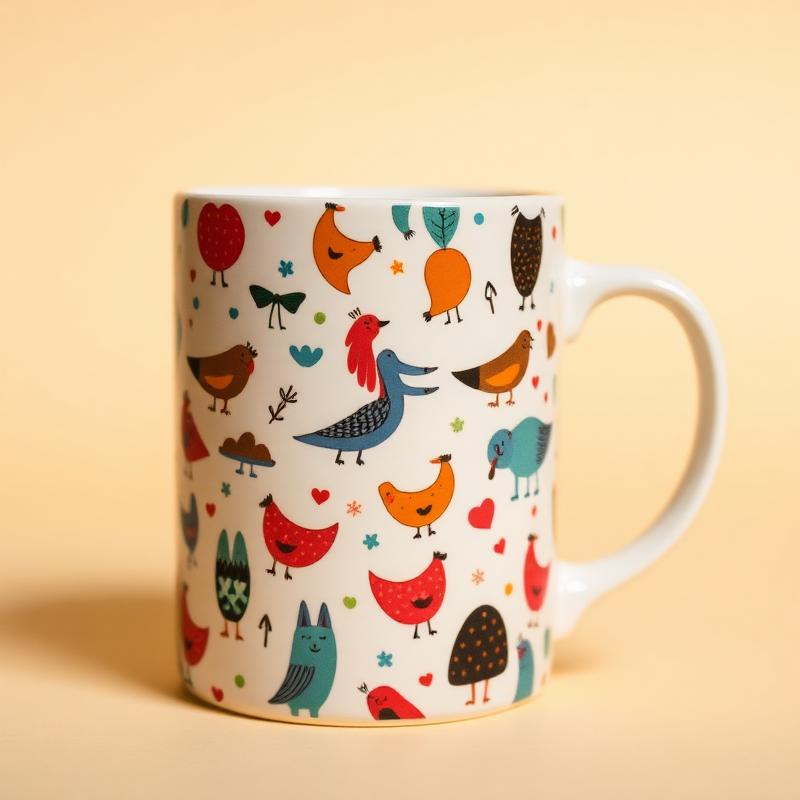
№ 05
●●●●●Has a pun on it. Or a cat. Or both. Beloved by exactly one person and tolerated by everyone else.
Etymology note
Direct descendant of the 1970s ceramic-transfer-printing boom — and, further back, the same impulse as the Toby jug: turning a cup into a punchline.
Read the word story →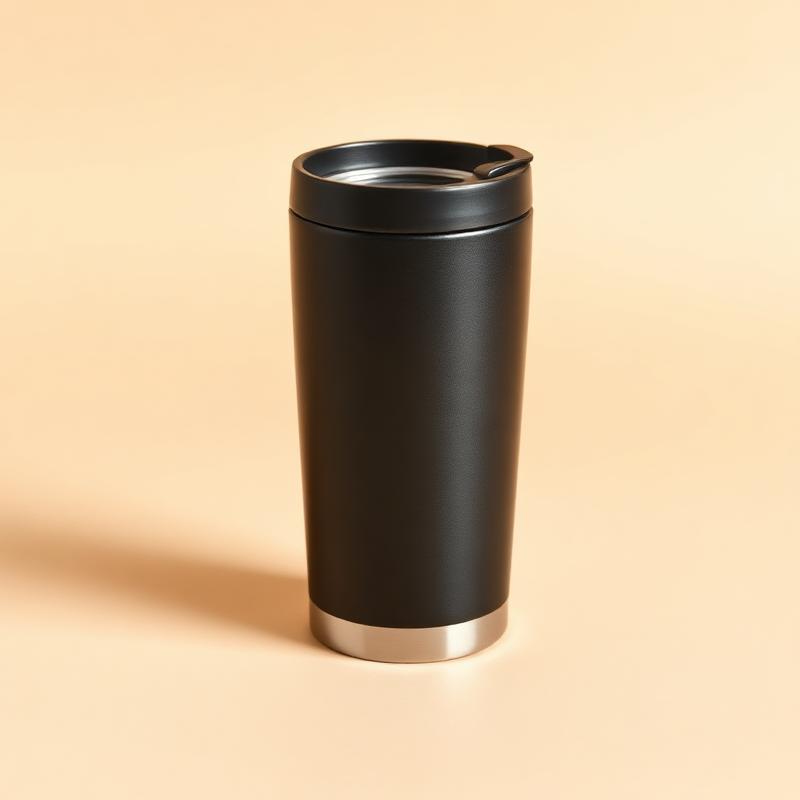
№ 06
●●●●●Vacuum-sealed double walls. The coffee inside will be hot four hours from now. Functional, but never cozy.
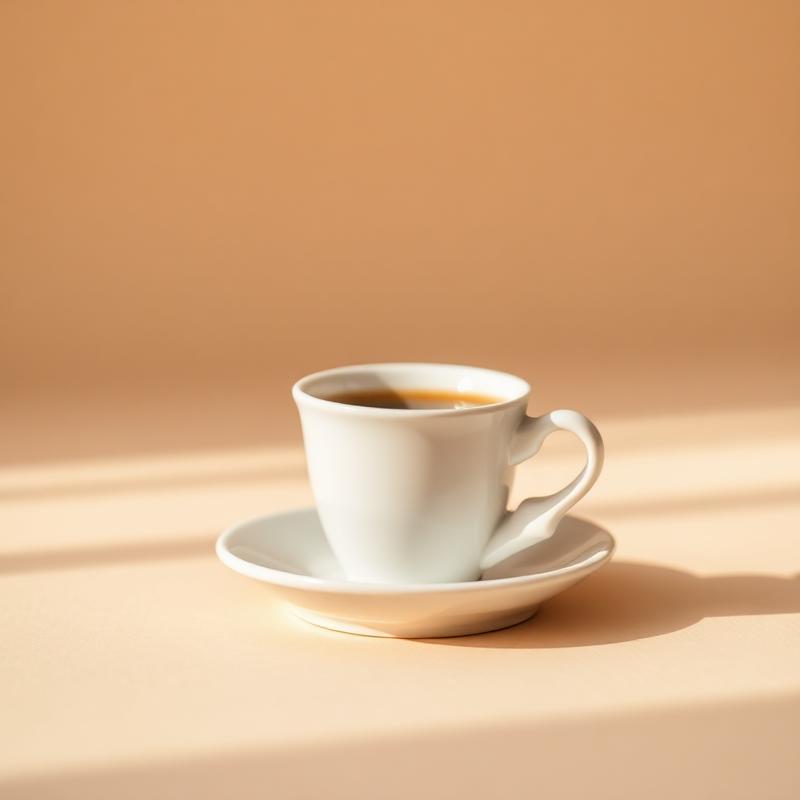
№ 07
●●●●●Tiny, tapered, and precisely the size of one shot plus one centimeter of crema. Holding it makes you feel like you're about to make a decision.
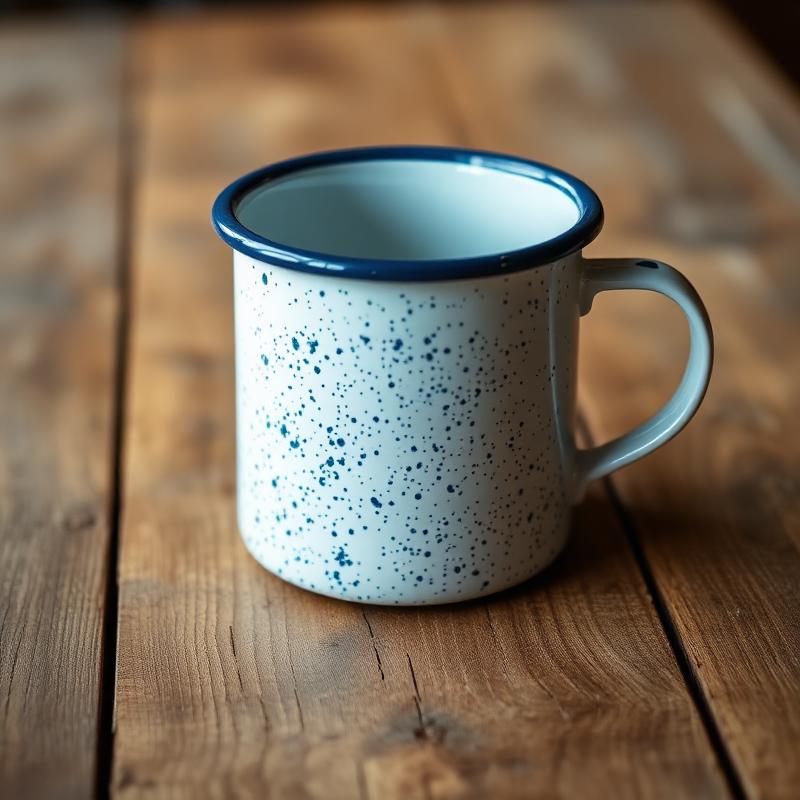
№ 08
●●●●●Speckled steel coated in vitreous enamel. Will chip the first week and you'll love it more for it. Conducts heat into your hand instantly — that's a feature.
№ 09
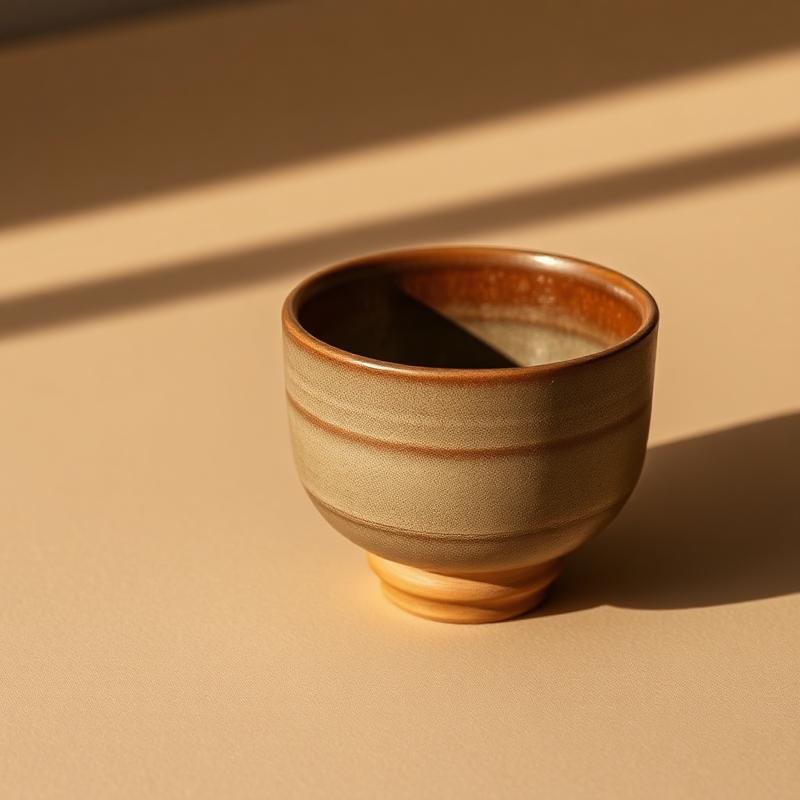
●●●●●Japanese tea cup, no handle, tall and narrow. You hold it by the rim with the top hand and cradle the base with the bottom. The whole posture is the point.
№ 10
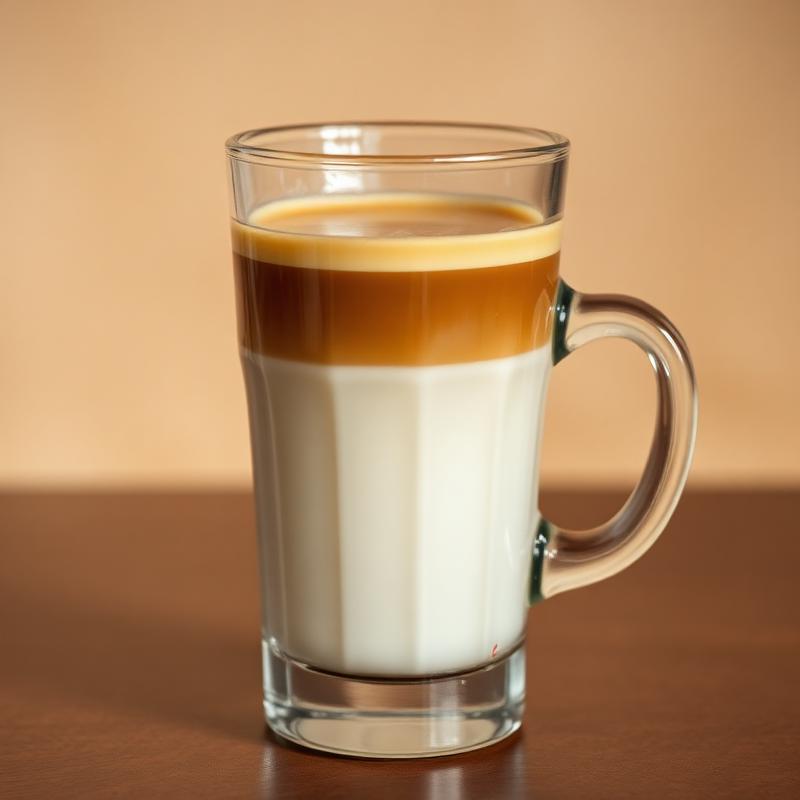
●●●●●Tempered glass with a small handle. Lets you see the layers — espresso, milk, foam — like a tiny edible cross-section. Burns your fingers if you're impatient.
№ 11
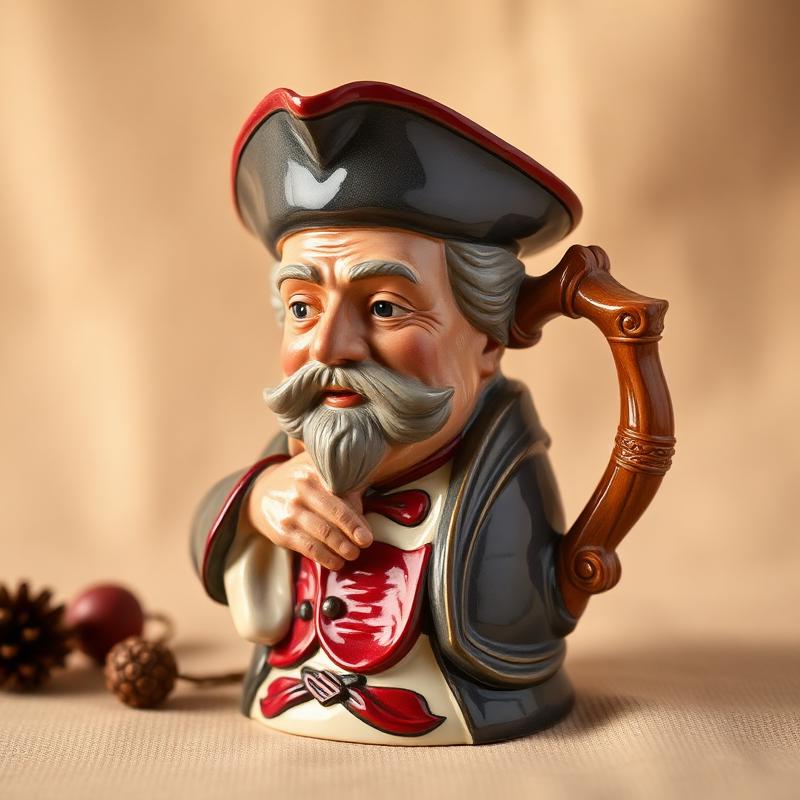
●●●●●A drinking vessel modelled as a jolly seated man in a tricorn hat — usually Sir Toby Filpot, the legendary 18th-century English drinker. Staffordshire potters launched the form around 1760, and it's the reason 'mug' came to mean a face. You're literally drinking out of someone's mouth. The whole language pivoted on this joke.
Etymology note
This is the mug responsible for the word's biggest plot twist. Around 1760, English potters started molding cups into caricatured faces; within a generation, 'mug' meant any face — and from there, mugshot, mugger, mugging.
Read the word story →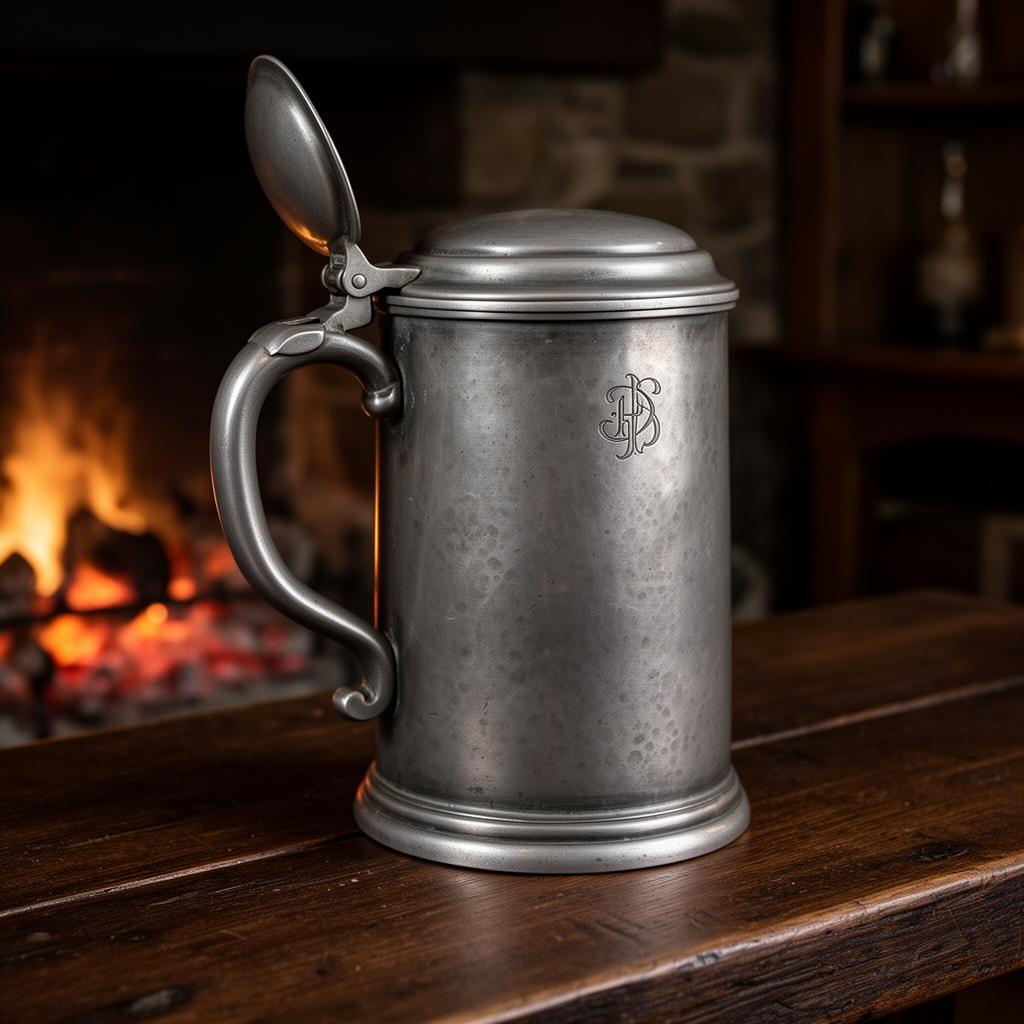
№ 12
●●●●●The original mug, basically. Cast pewter, sometimes with a hinged lid, often engraved with initials. Heavy enough to use as a paperweight or, in a pinch, a weapon. The vessel sailors brought 'mugge' into English alongside in the 1500s.
Etymology note
When the word 'mug' first appears in English records around 1560, this is roughly what people meant by it: a cylindrical, handled drinking pot.
Read the word story →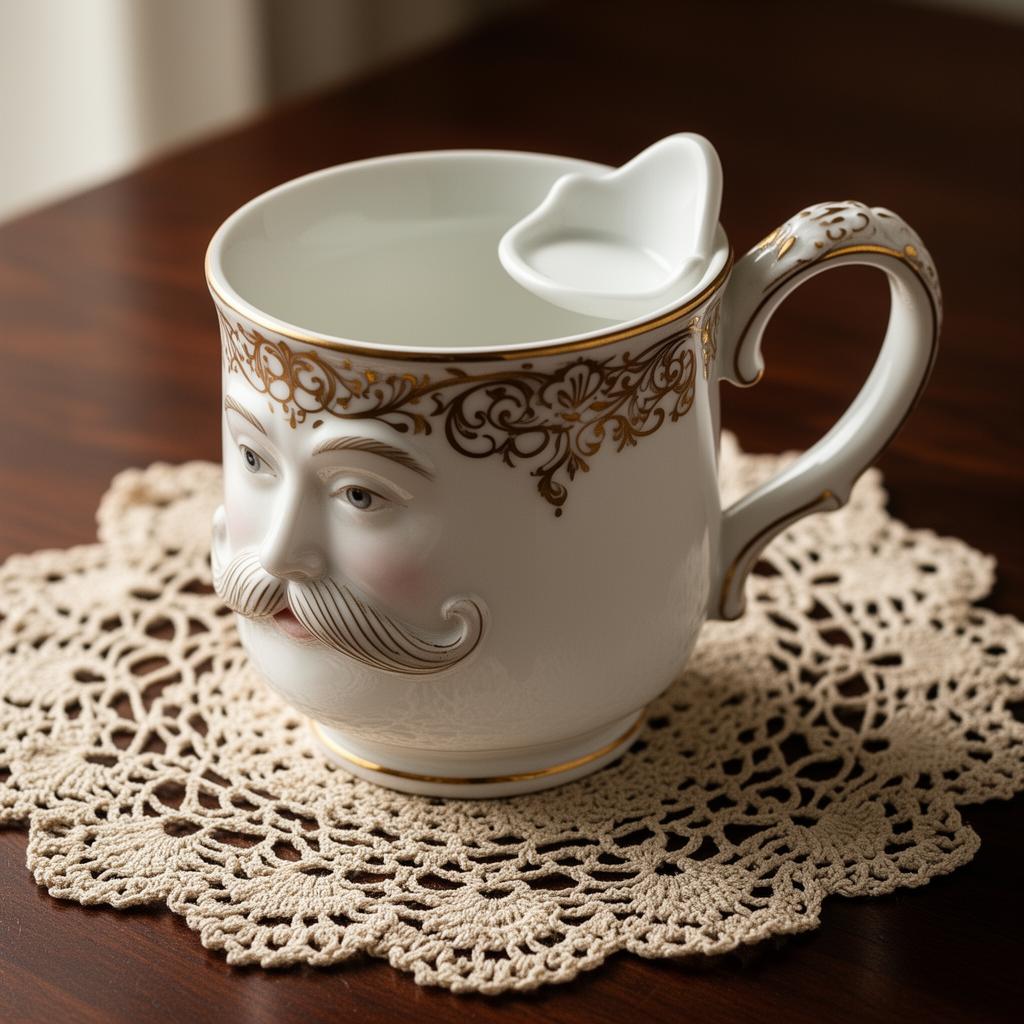
№ 13
●●●●●Victorian invention with a small ceramic ledge inside the rim — a guard to keep a gentleman's waxed moustache out of his Earl Grey. Patented in the 1860s by Harvey Adams. Genuinely useful for about thirty years; charming forever.
№ 14
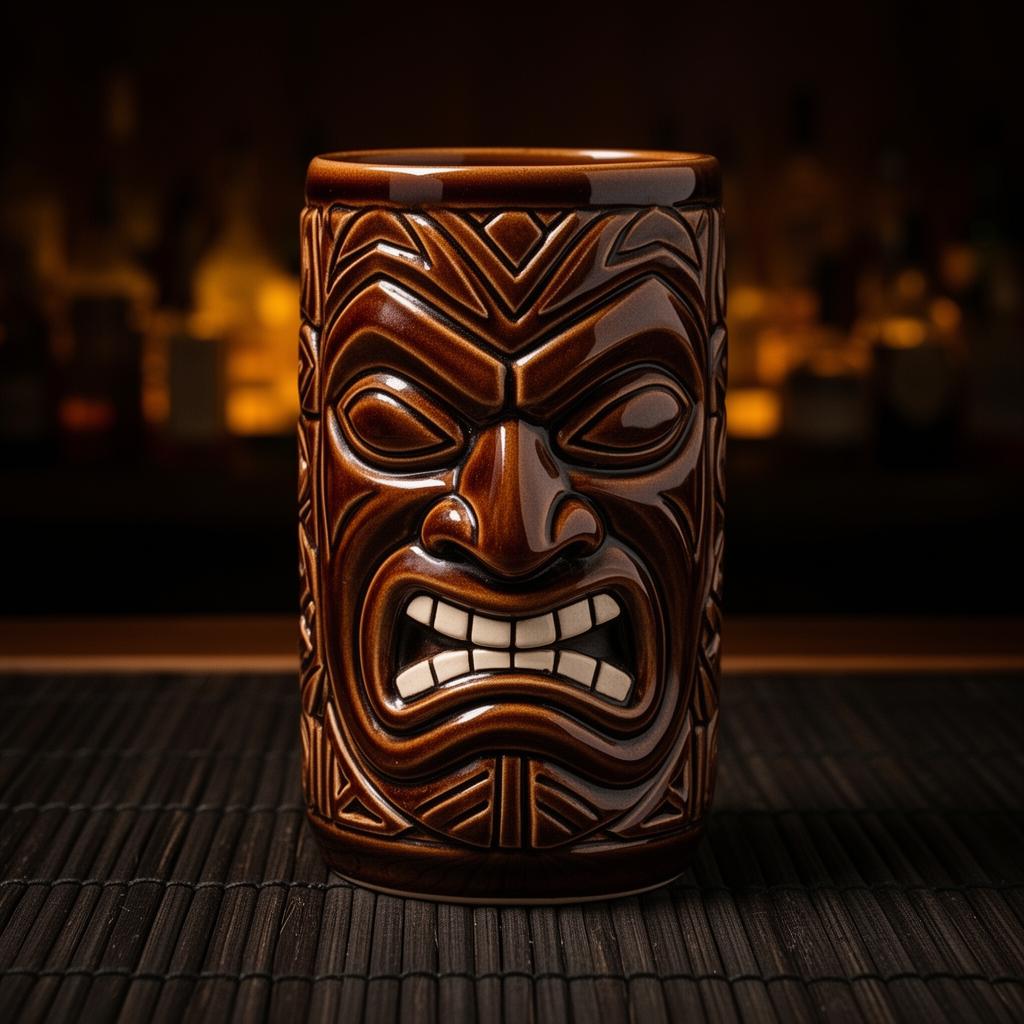
●●●●●Sculpted ceramic carved like a Polynesian-ish idol — almost always invented in mid-century California, not the South Pacific. Don Beach and Trader Vic launched the form in the 1930s. Opaque on purpose: you're not supposed to see how much rum is in there.
№ 15
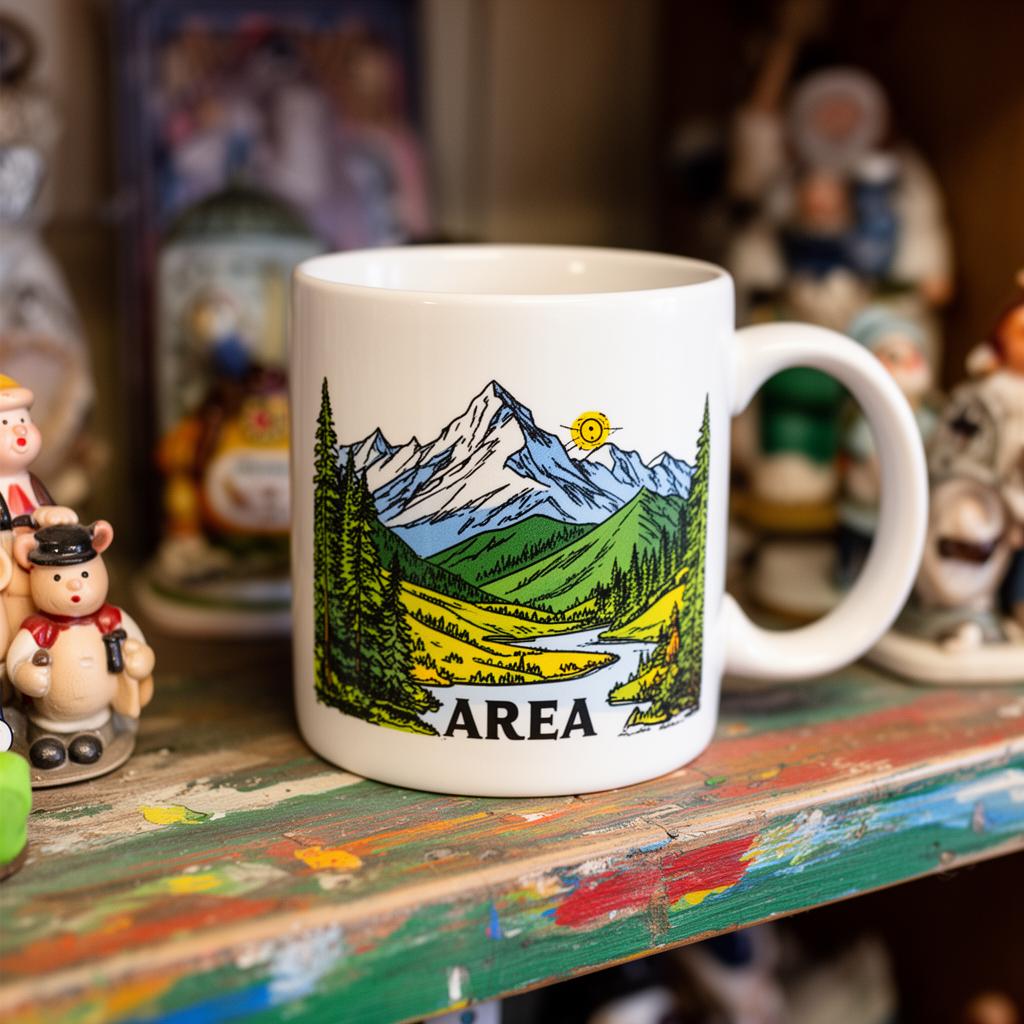
●●●●●Mass-produced ceramic with a transfer print of a landmark, a state outline, or a regrettable cartoon. Lives at the back of the cabinet for decades, surfaces during family arguments about dishwasher loading.
№ 16
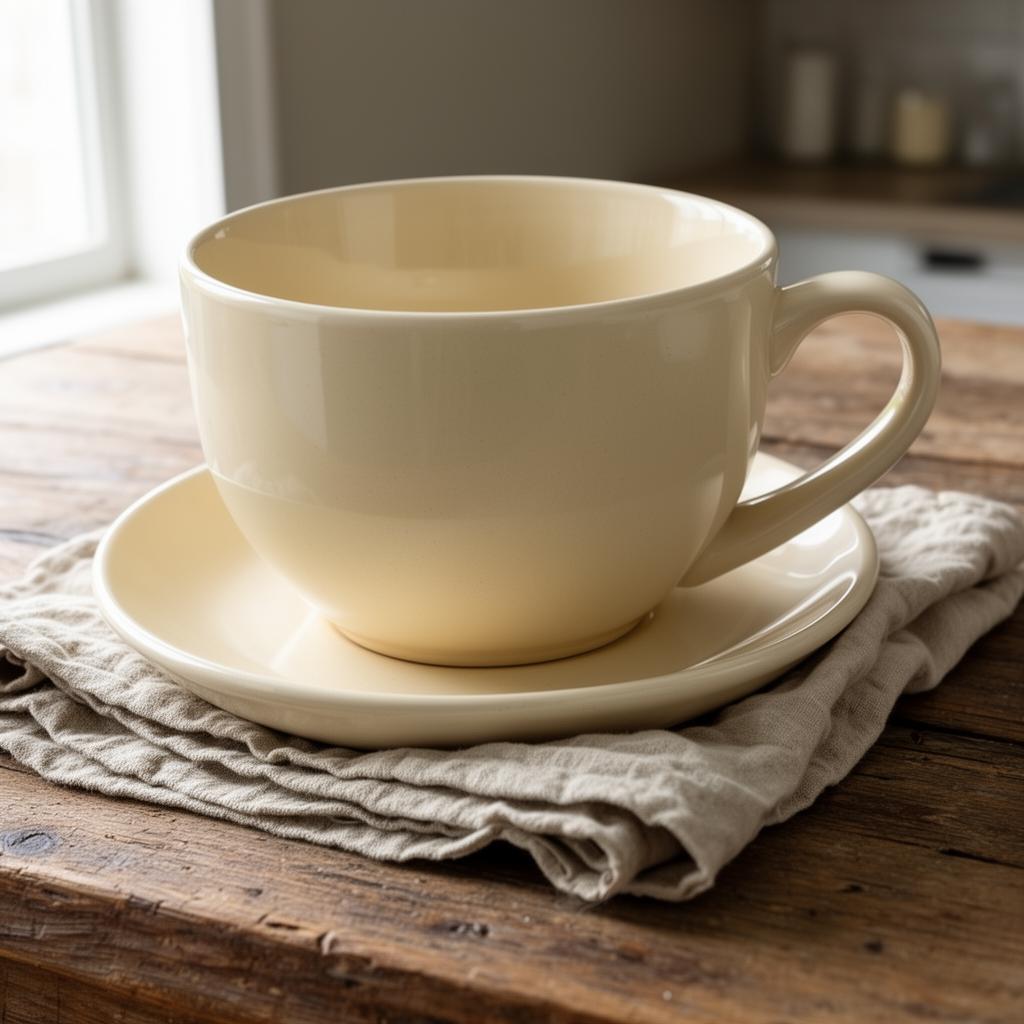
●●●●●The mug that gave up on coffee and embraced its true calling: liquid lunch. Wide mouth, deep belly, single sturdy handle. Often comes with a matching saucer that nobody uses.
№ 17
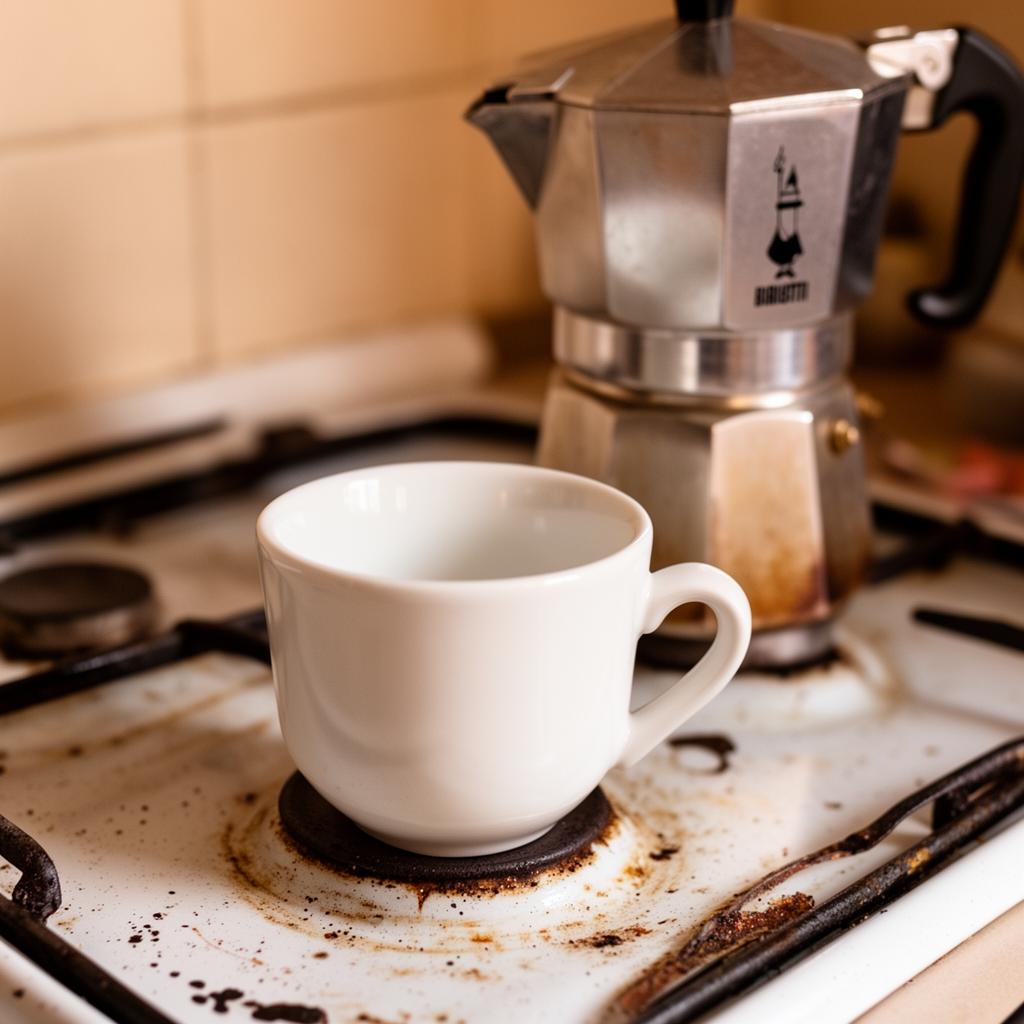
●●●●●The exact size of one chamber of a Bialetti. Thicker walls than a demitasse — moka coffee is hotter and more aggressive, and the cup absorbs the brunt. Usually white, usually chipped, usually older than you.
№ 18
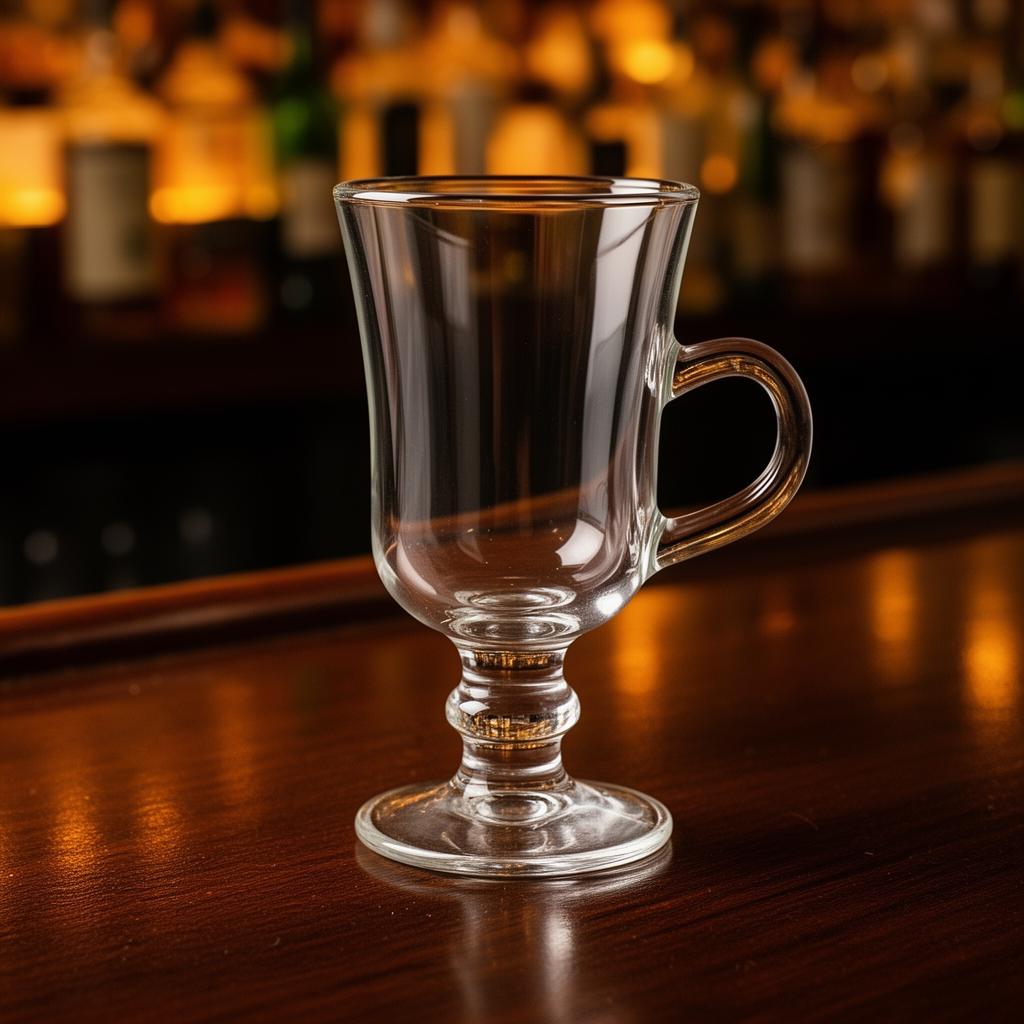
●●●●●Footed, stemmed, tempered glass with a gentle waist. The shape lets the cream float on top of the dark coffee like a snowfield over peat. Invented at Foynes Airport in 1943 to thaw out cold passengers. Still works.
№ 19
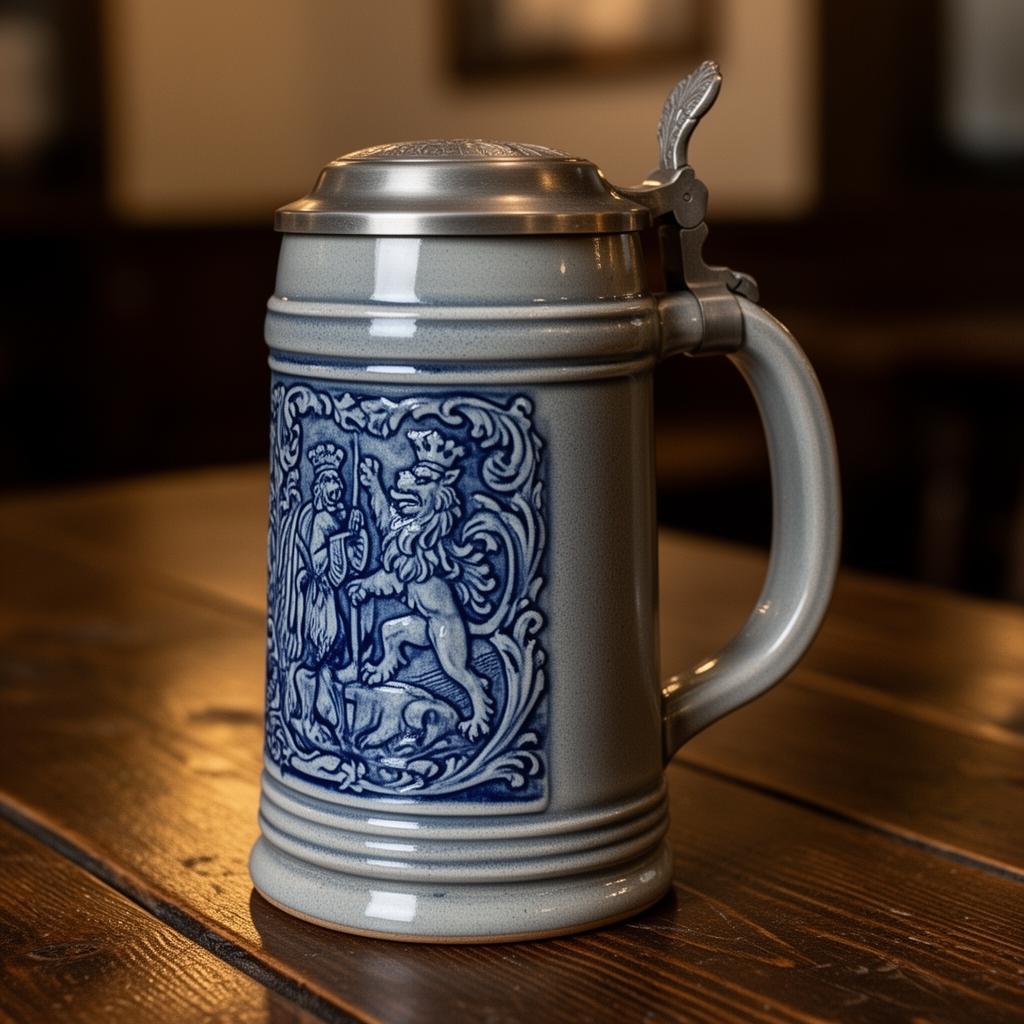
●●●●●Stoneware tankard with a hinged pewter lid — originally legislated into existence in 16th-century Germany to keep plague flies out of the beer. The lid stuck around as decoration. Often elaborately decorated; always overbuilt.
№ 20
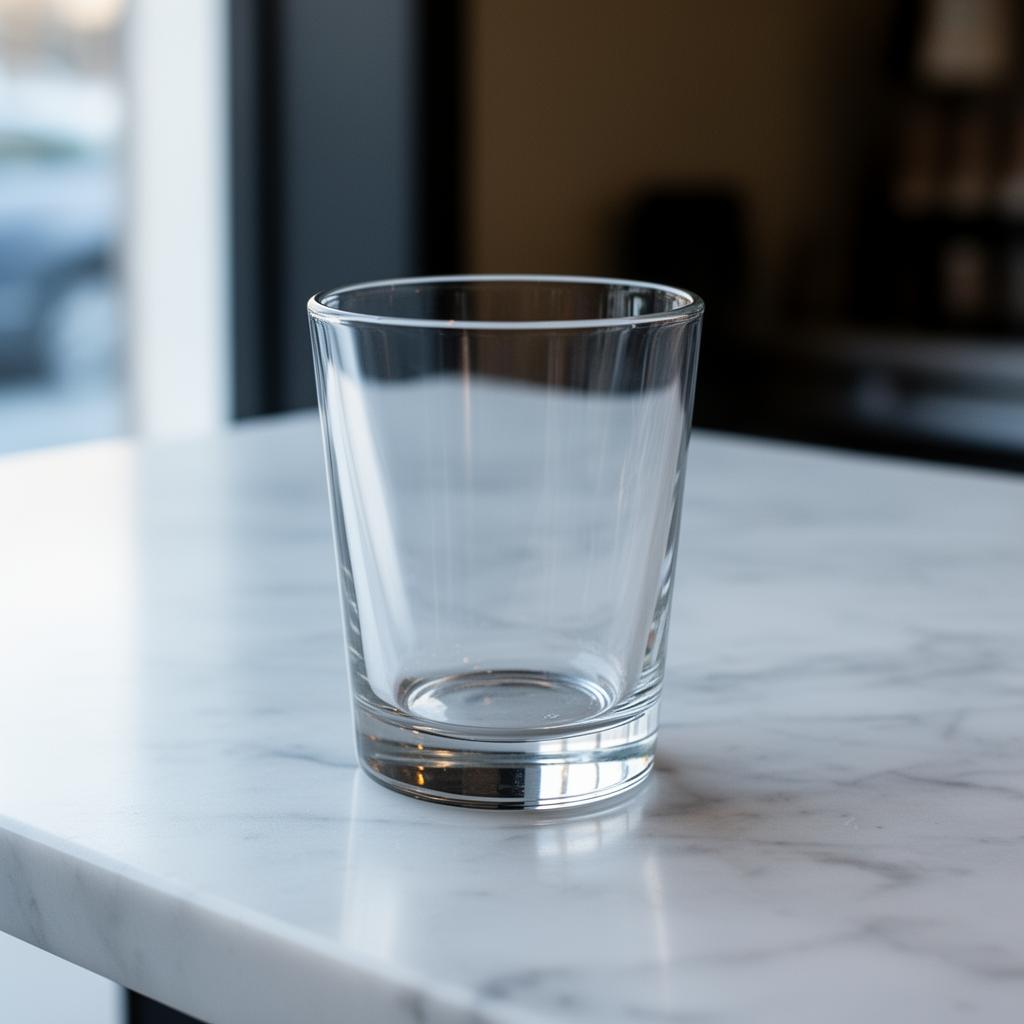
●●●●●Short, straight-sided tempered glass — a Libbey Gibraltar in spirit if not in fact. Holds exactly one ristretto plus a centimeter of warm milk. Specialty cafés adopted it in the 2000s and never let it go.
№ 21
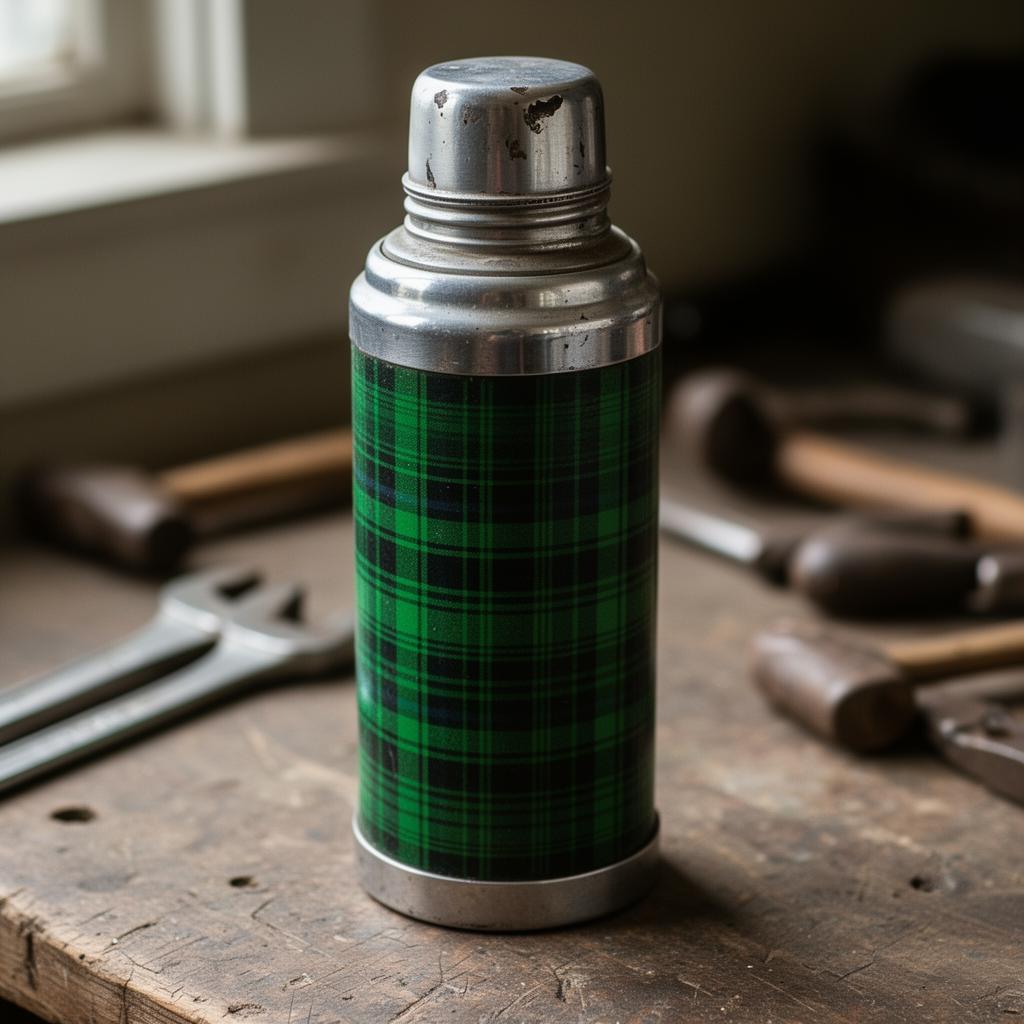
●●●●●Plaid-patterned steel, glass-lined inside, with a screw-on cup that doubles as the lid. The cup tastes faintly of metal and yesterday. Engineered in 1904 and somehow never improved upon emotionally.
№ 22
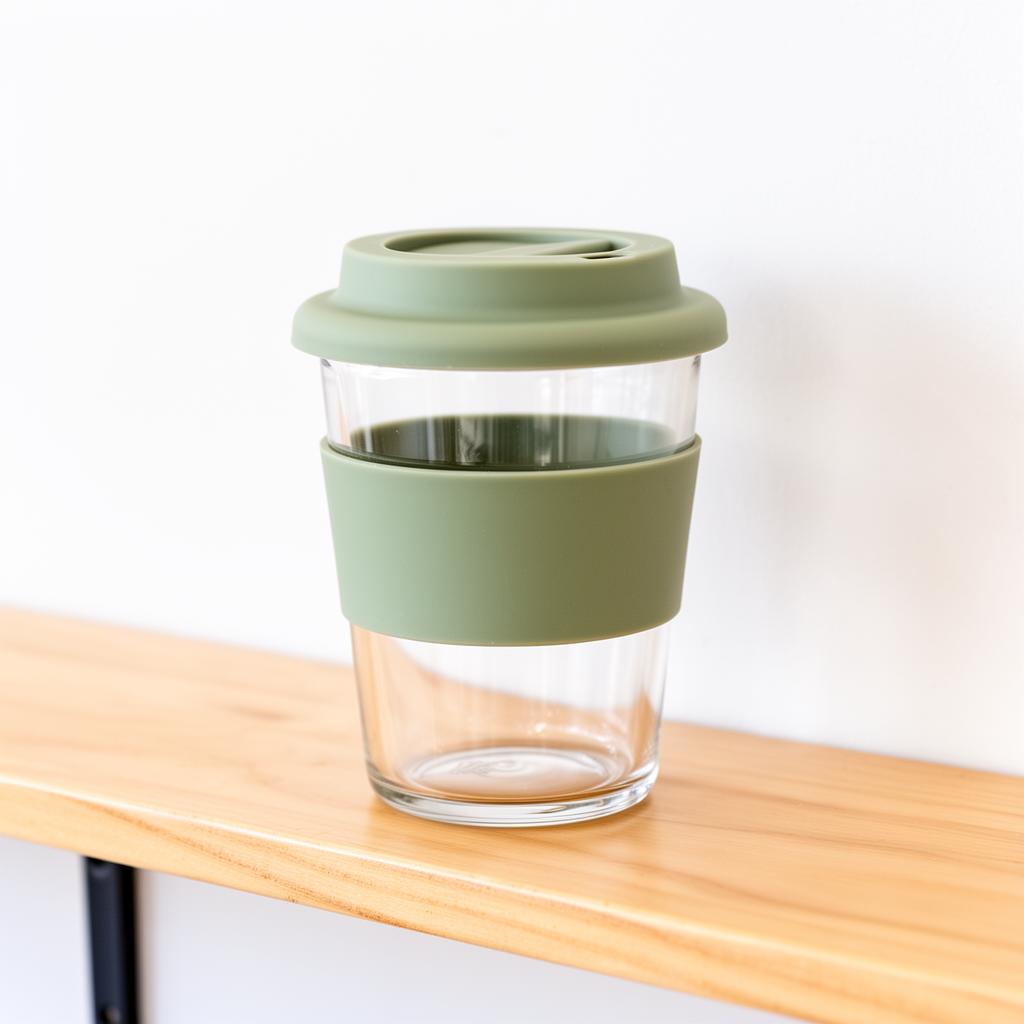
●●●●●Tempered glass or BPA-free plastic shaped like a takeaway cup with a silicone band. Invented in Melbourne in 2009. Comes in approximately 4,000 colorways, all of which you will lose.
№ 23
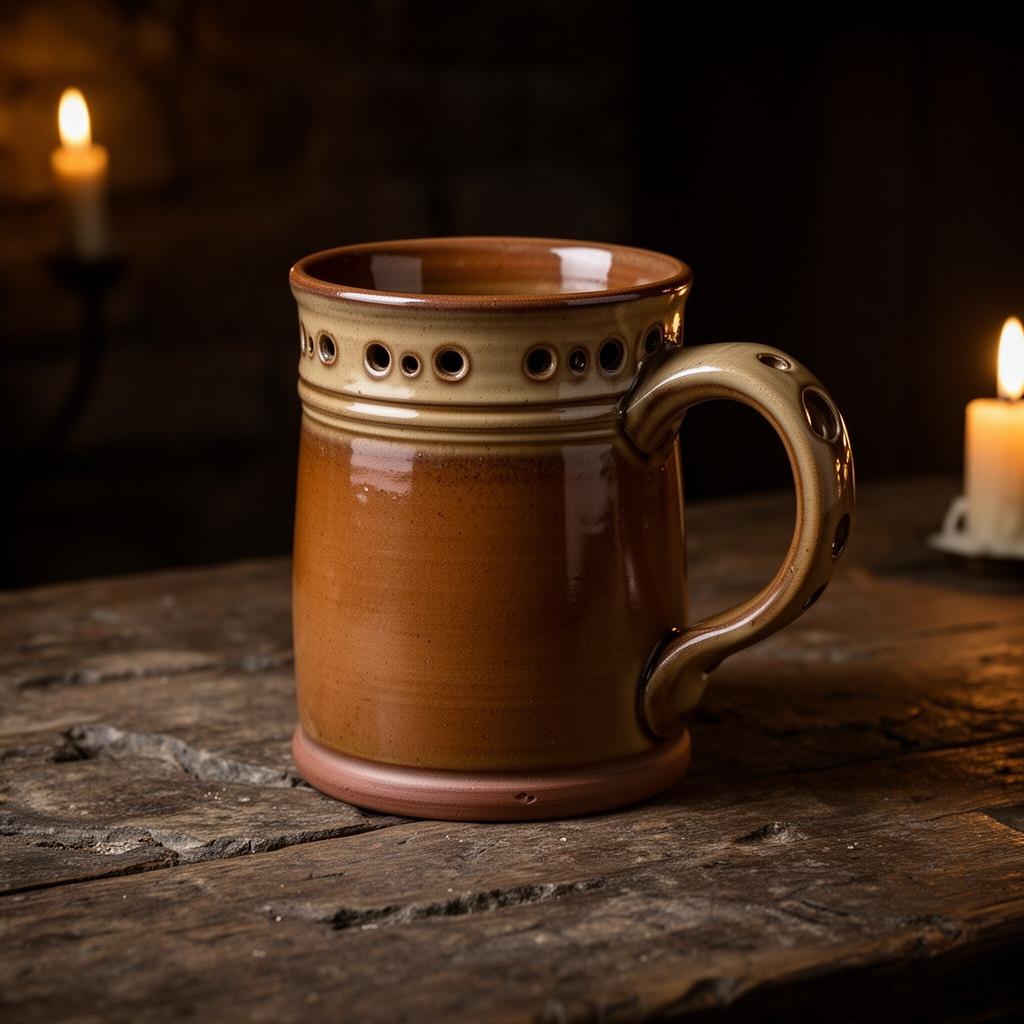
●●●●●Has holes drilled around the rim. Drink from it normally and it pours down your shirt. There's a hidden channel in the handle you have to suck from while plugging the right holes. Medieval drinkers found this hilarious. Frankly, still is.
№ 24
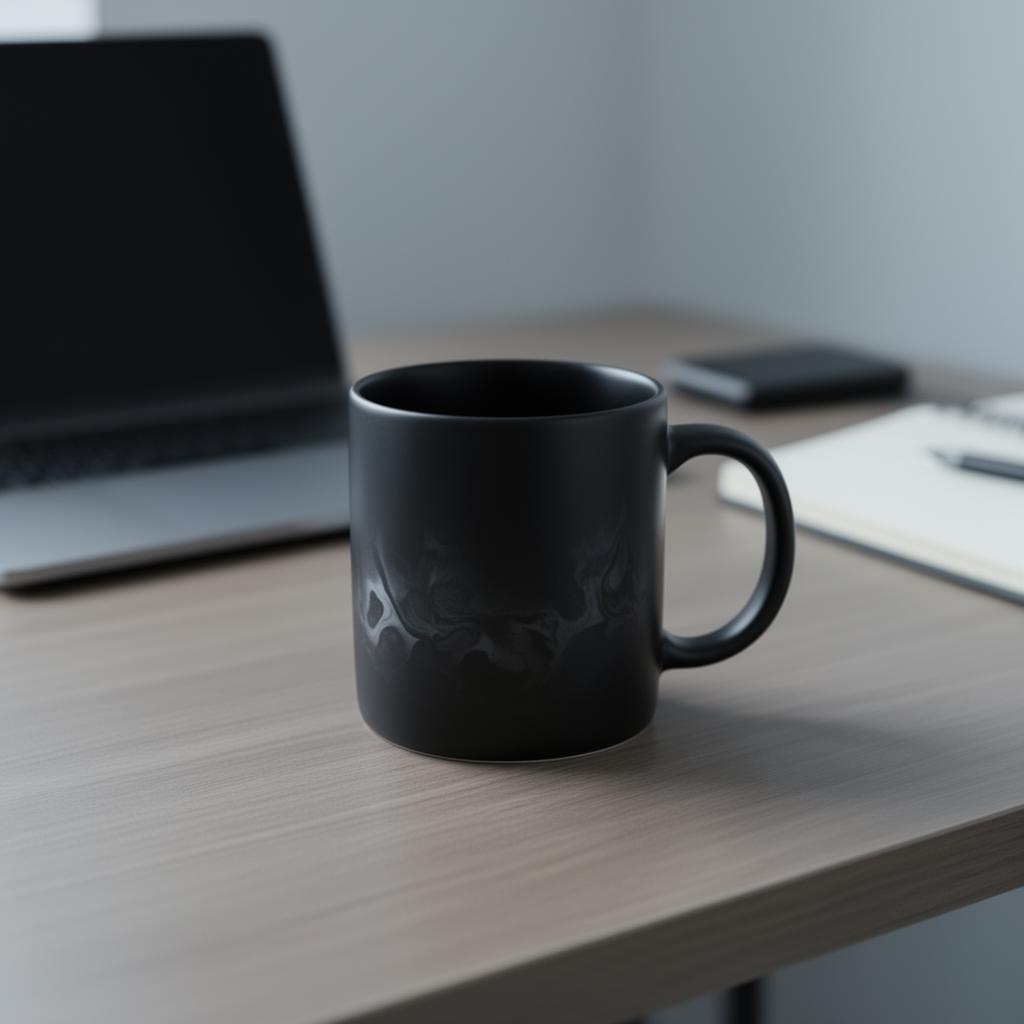
●●●●●Coated in thermochromic ink — the picture only appears when hot liquid hits it. Usually reveals something either deeply nerdy or mildly inappropriate. The coating wears off after about a year of dishwashing, taking the joke with it.
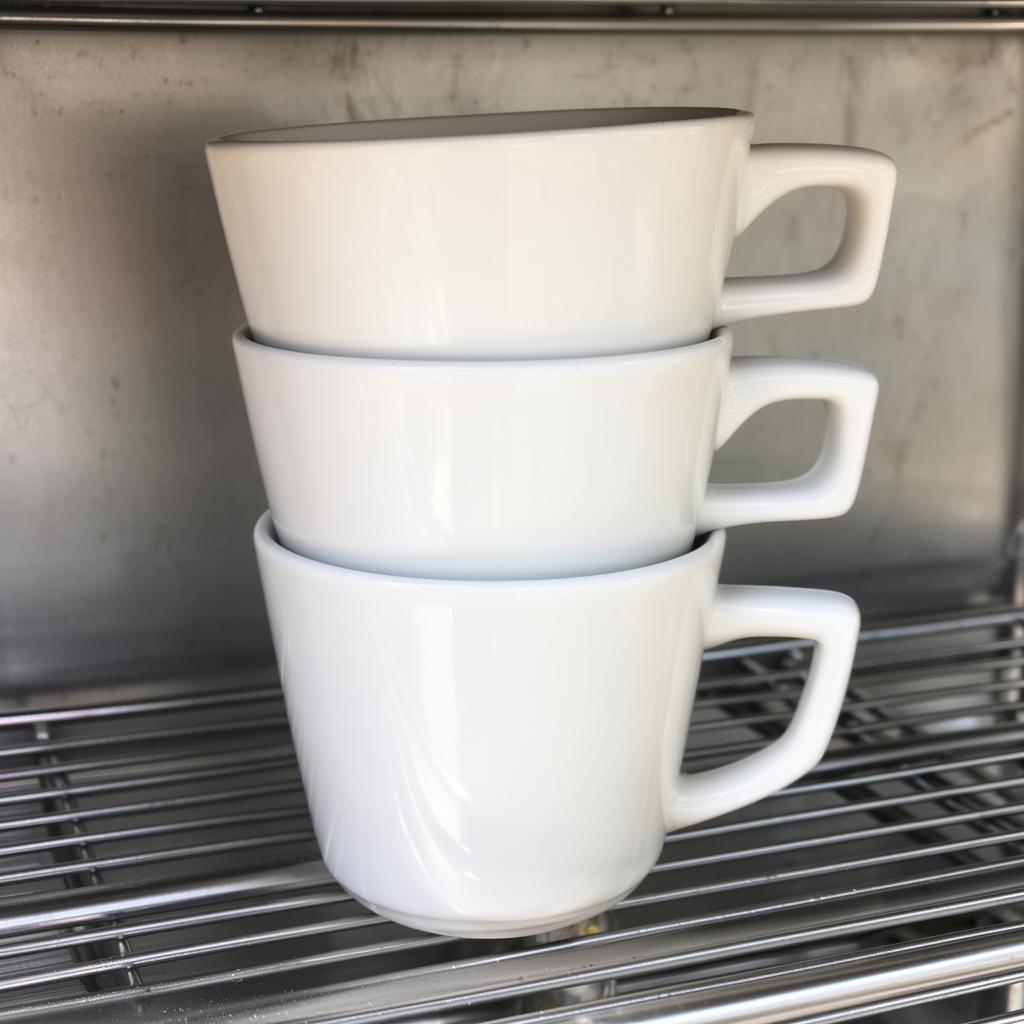
№ 25
●●●●●Slightly tapered walls and a flat-flared handle so dozens nest together without scratching. Designed for service, not sentiment. The unsung infrastructure of every breakfast counter in the Western world.
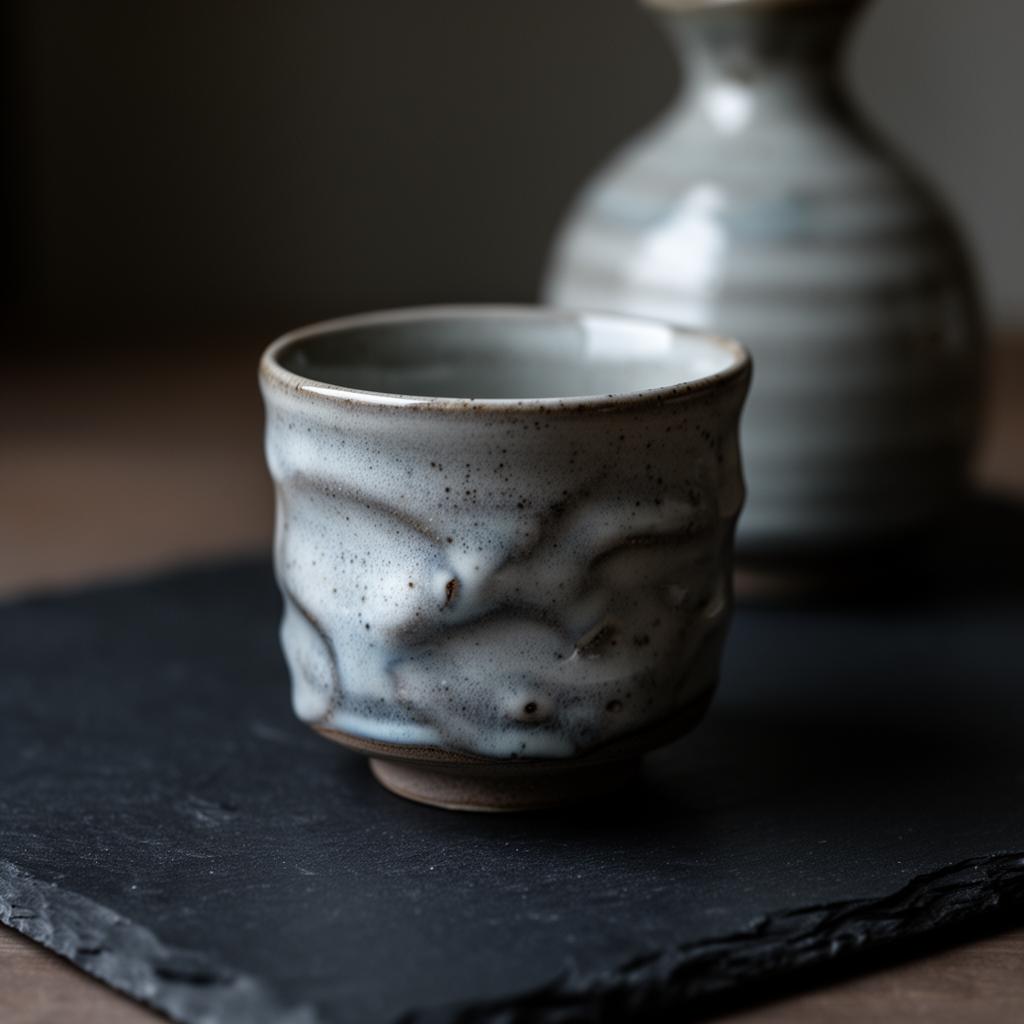
№ 26
●●●●●A small ceramic cup, slightly larger than an ochoko, used for sipping sake at room temperature or warmed. Often hand-thrown with deliberate asymmetry — the side you choose to face outward is part of the ritual.
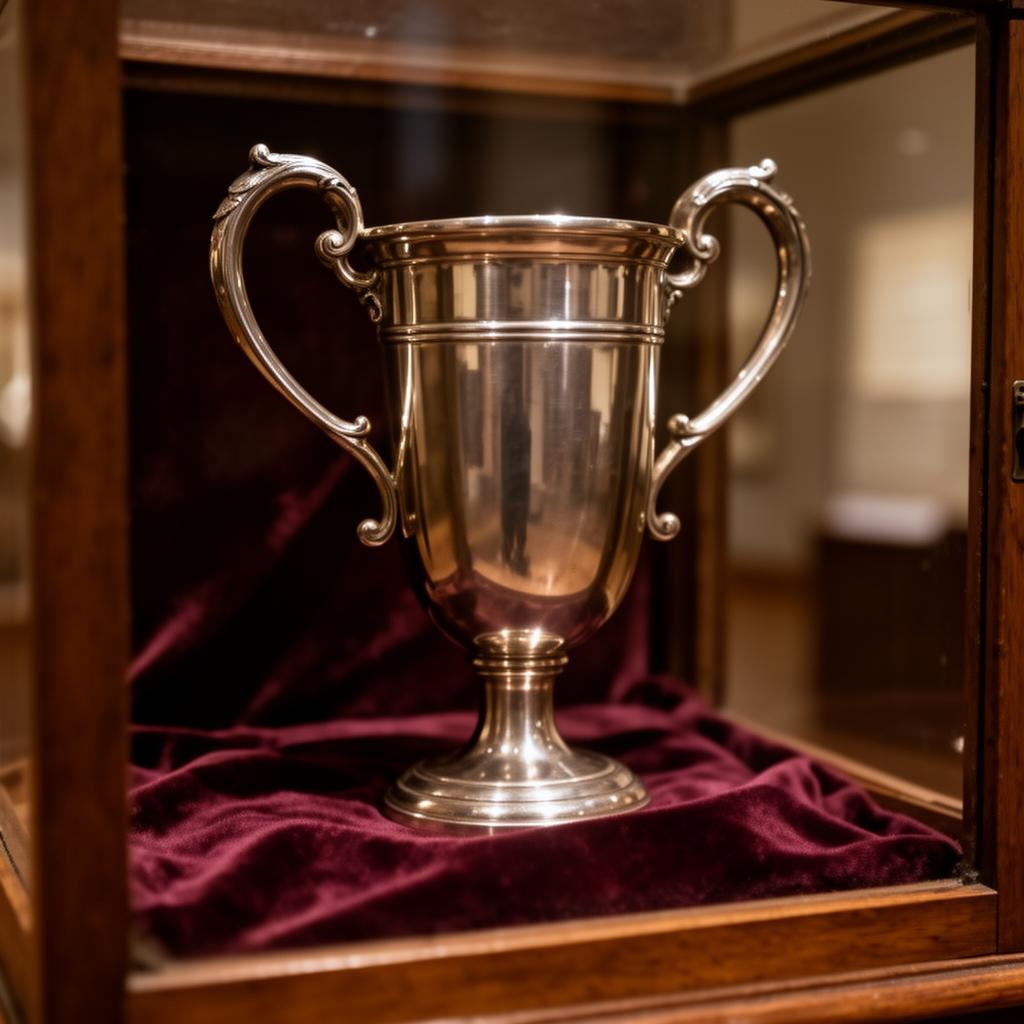
№ 27
●●●●●Two-handled (sometimes three) ceremonial cup passed around a table so each person drinks from it in turn. The two handles meant your hands were visible — proof you weren't drawing a knife. Conviviality enforced by geometry.
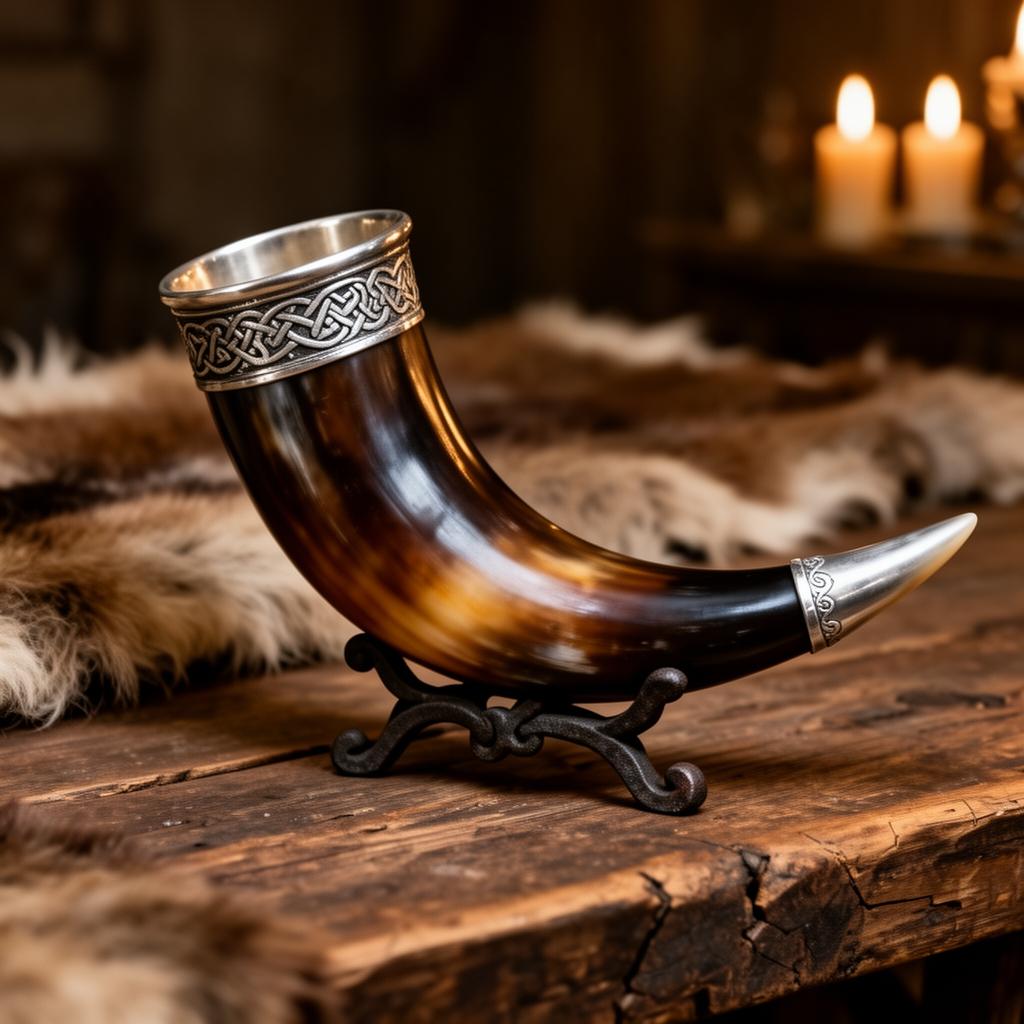
№ 28
●●●●●Hollowed cattle or buffalo horn, sometimes capped in silver. Won't stand up on a table — you have to finish it or hand it off. That, scholars suggest, is the entire point. A vessel that enforces commitment.
№ 29
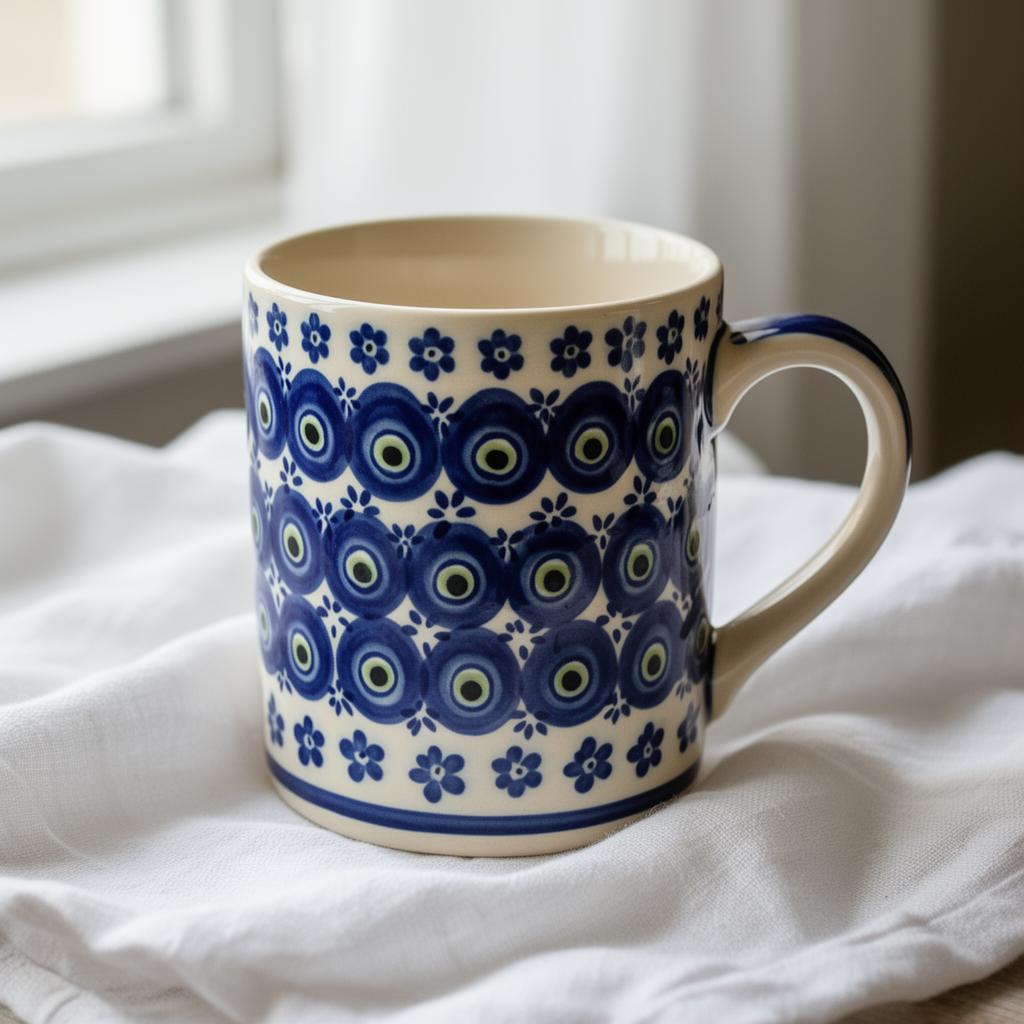
●●●●●Bolesławiec stoneware from southwest Poland, hand-stamped with cobalt-blue peacock-eye patterns since the 1700s. Fires hot, holds heat, looks like an heirloom on day one. The only mug that improves a beige kitchen.
№ 30
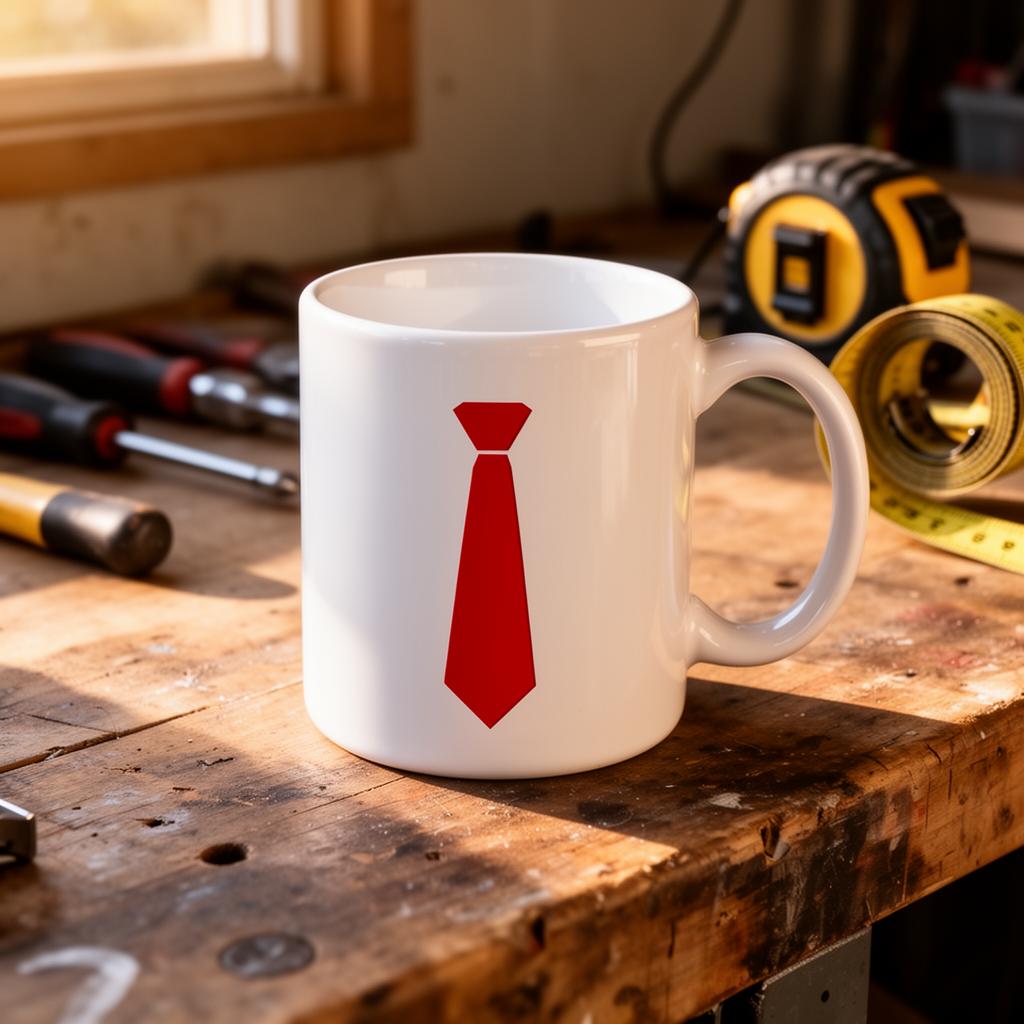
●●●●●Identical ceramic, identical font, slightly different superlatives. Manufactured by the millions, gifted by children aged 4 to 44, and used daily for decades regardless of how many other mugs the household acquires. Sentiment > craftsmanship, every time.
№ 31
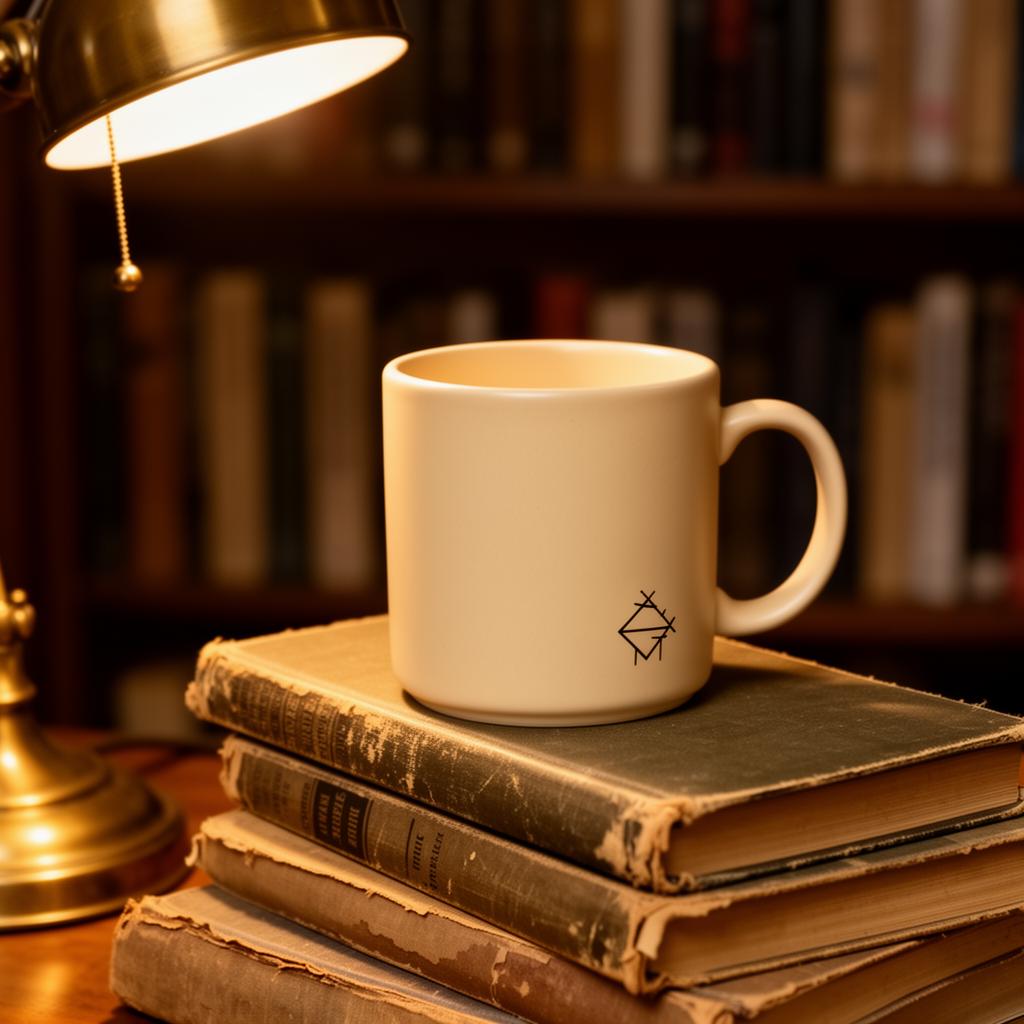
●●●●●Matte glaze, station logo, screen-printed wordmark in a serif you've definitely seen on a tote bag. Acquired during a fund drive in 2014 and still in active rotation. Signals values without needing to mention them.
№ 32
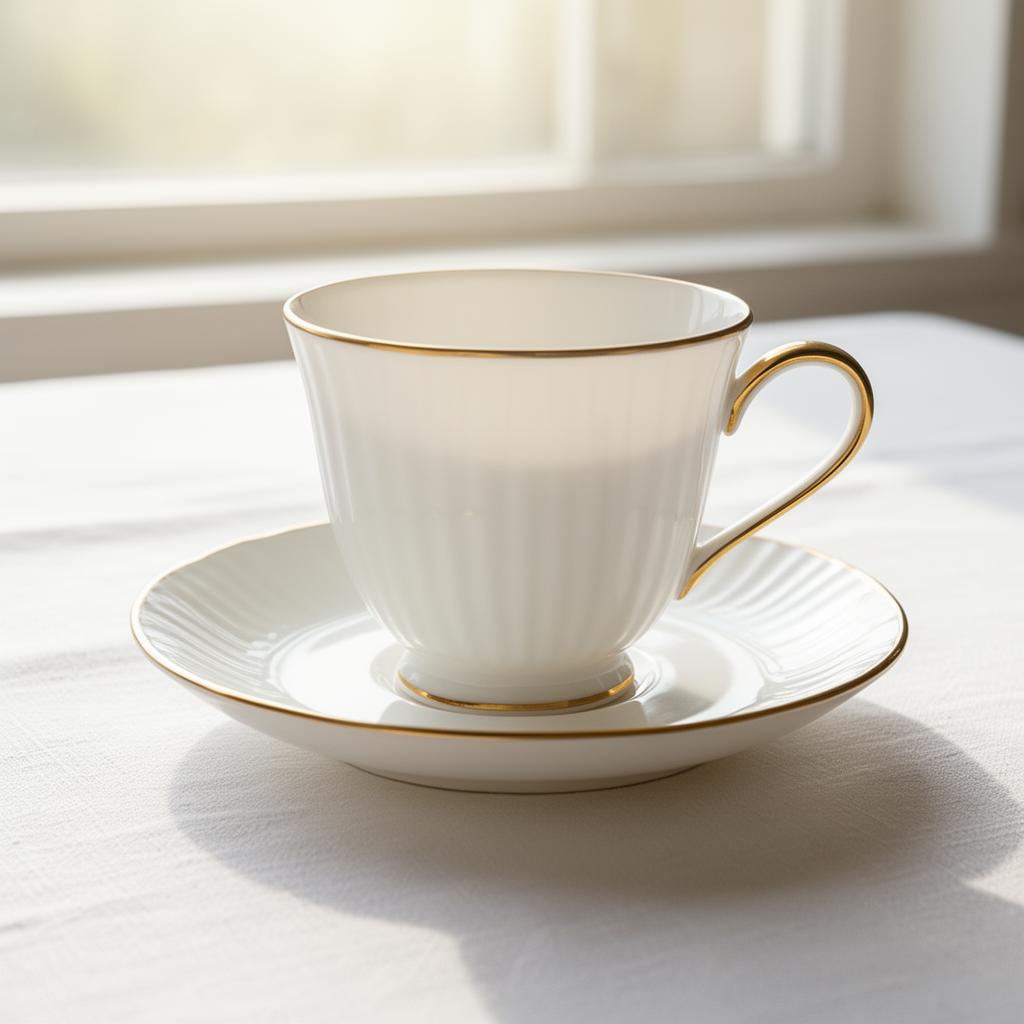
●●●●●Translucent enough to see your fingers through when held to a window. Up to 50% calcined bone ash — a recipe perfected in Stoke-on-Trent in the 1790s. Stronger than it looks, more delicate than it acts. Always paired with a saucer.
№ 33
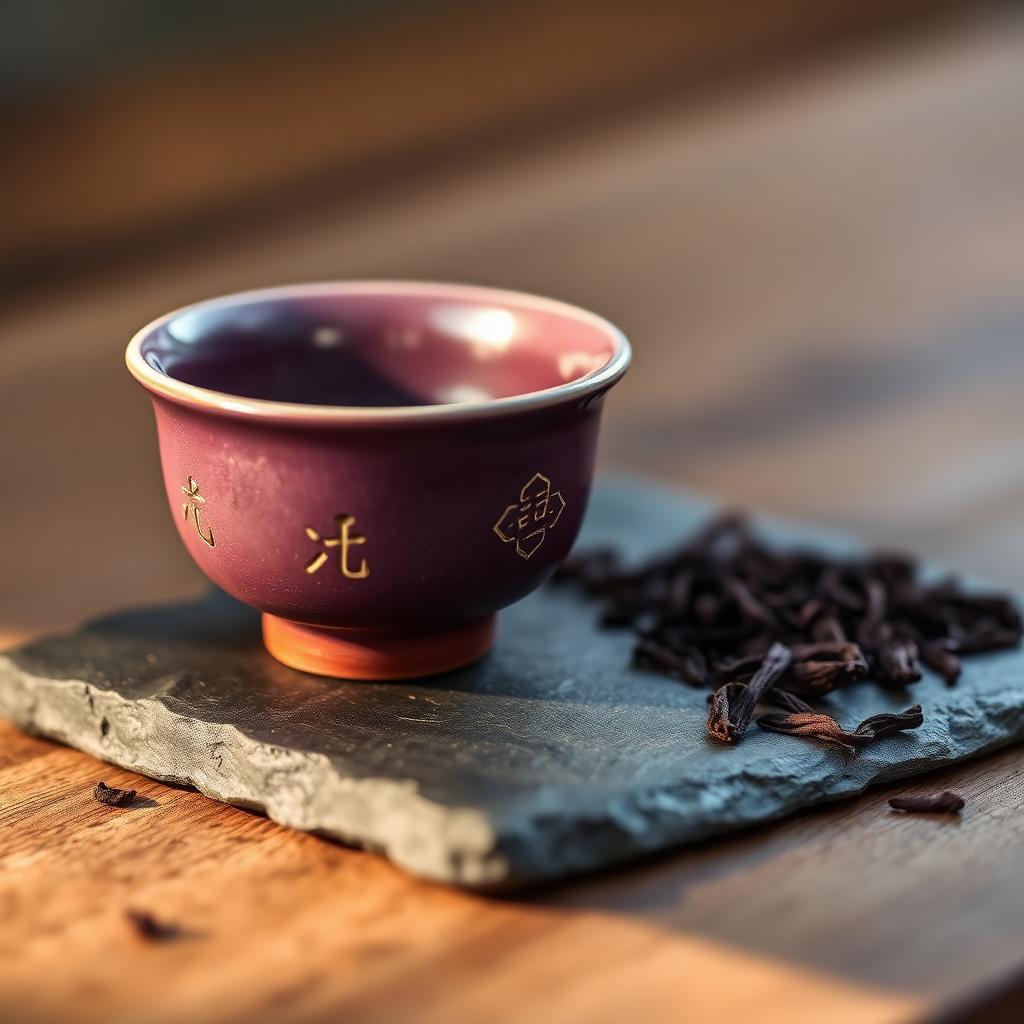
●●●●●Unglazed purple zisha clay from Jiangsu province, fired since the Song dynasty. The porous walls absorb tea oils with every brew — after a few years the cup is said to make tea even when empty. You commit it to one tea forever; mixing varieties ruins the seasoning.
№ 34
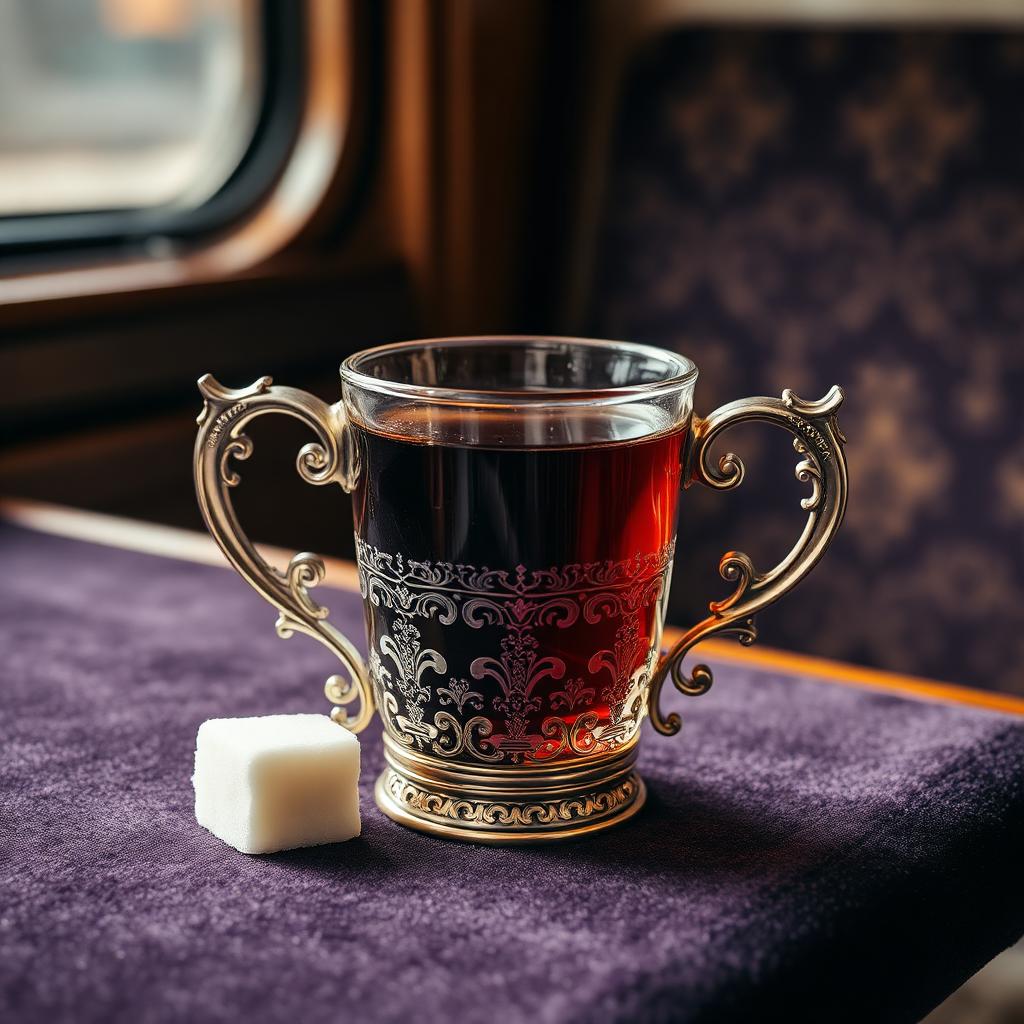
●●●●●A thin glass tumbler dropped into an ornate metal cradle — silver, brass, or nickel — with a proper handle. Standardized for Imperial Russian railways in the 1890s and still issued on every Russian Railways long-distance carriage. The metal insulates your fingers; the glass lets you watch the tea brew.
№ 35
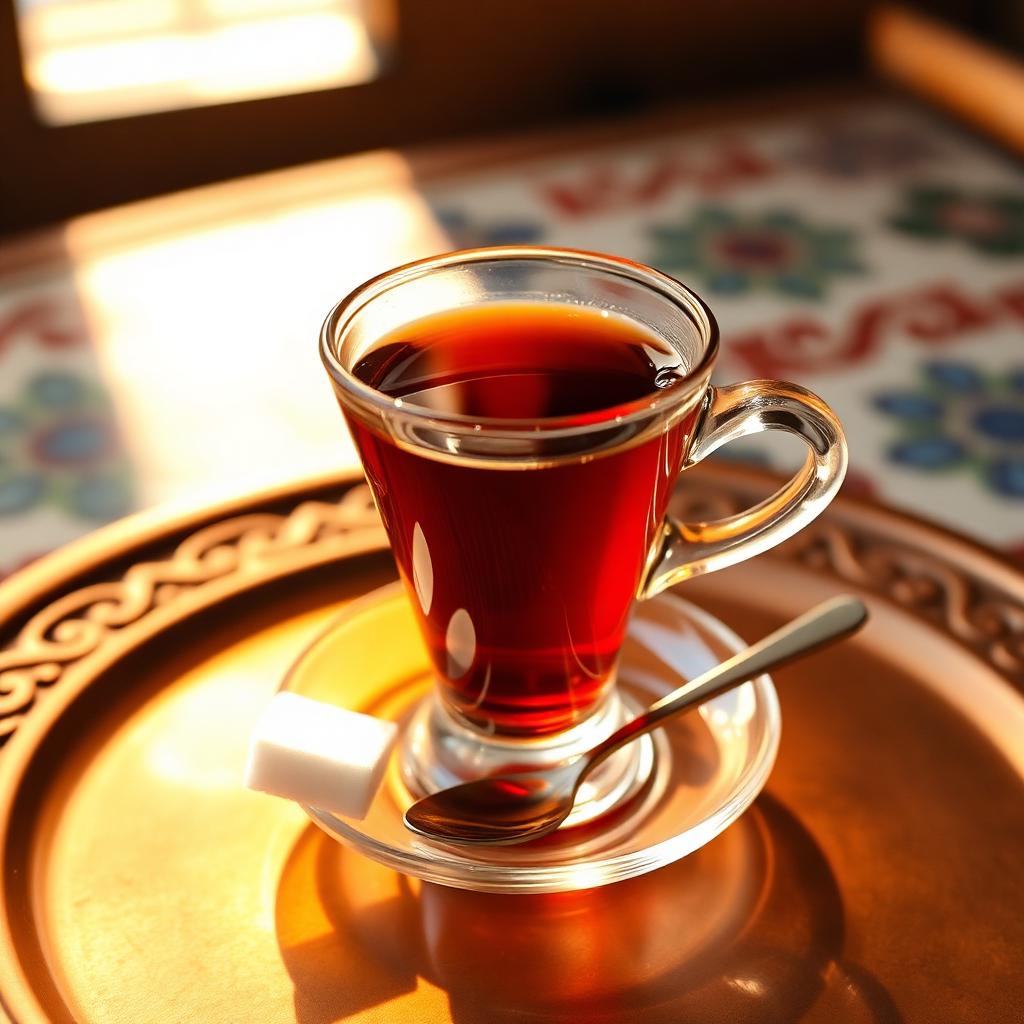
●●●●●Tulip-shaped, narrow at the waist, no handle. The pinched middle is engineered: it keeps the top hot and the bottom cool enough to grip by the rim. Served on a tiny saucer with two sugar cubes you may or may not use. Refills are assumed.
№ 36
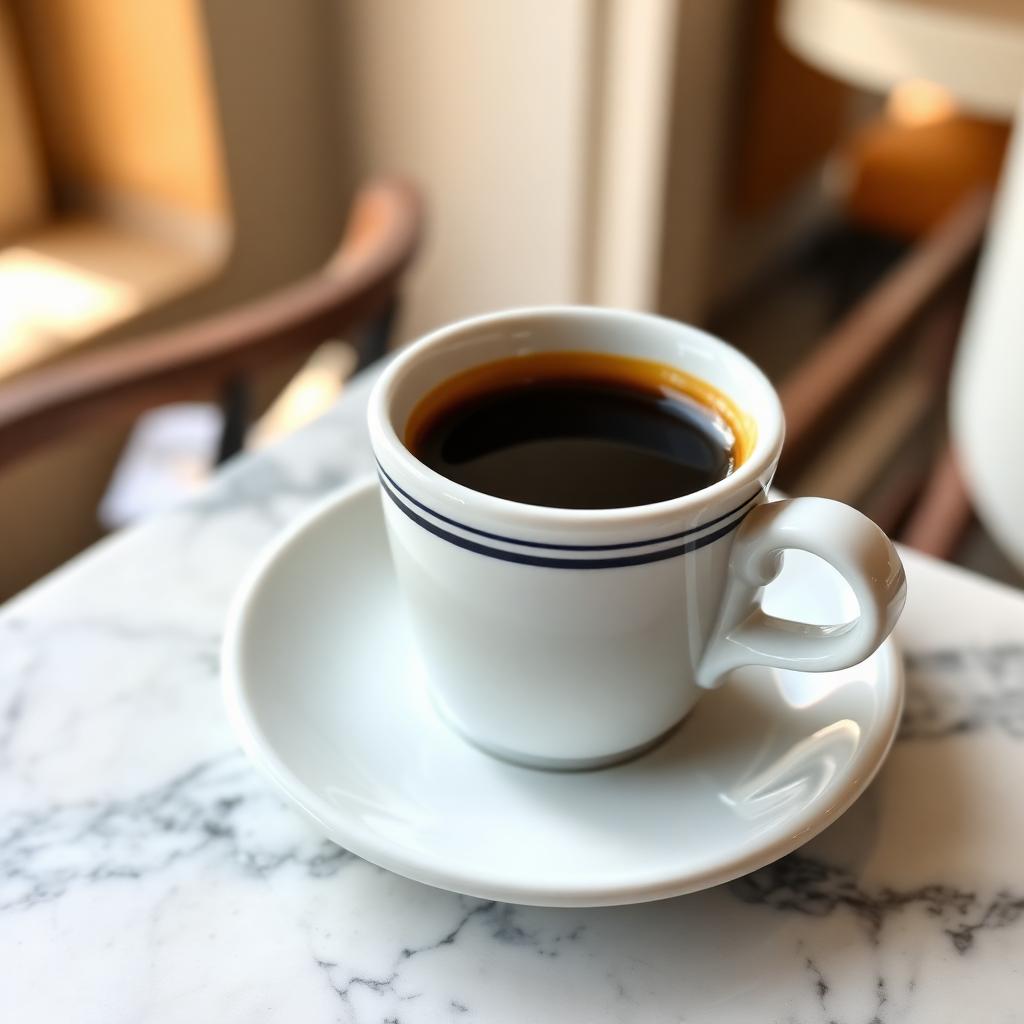
●●●●●Thick-walled white porcelain, often by IPA or Ancap, with a heated belly that keeps the shot at temperature for the full ninety seconds you'll spend with it. Heavier than a demitasse, narrower than a doppio. The cup the bar pulls a thousand times a day without thinking.
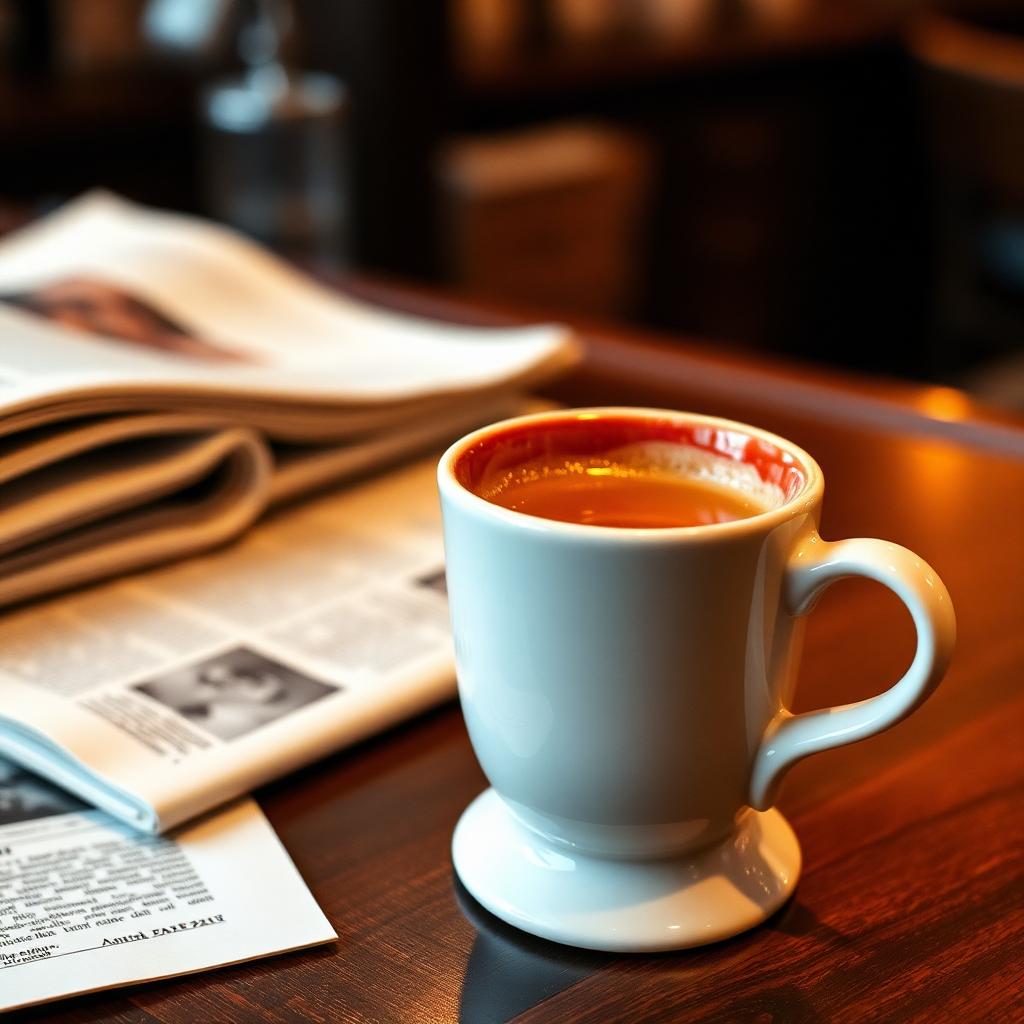
№ 37
●●●●●Wider and squatter than a single-shot cup, with room for two ristrettos plus a finger of crema headspace. Often footed and glazed in deep color inside so the crema reads bright against it. The Italian compromise between espresso ritual and an actual amount of coffee.
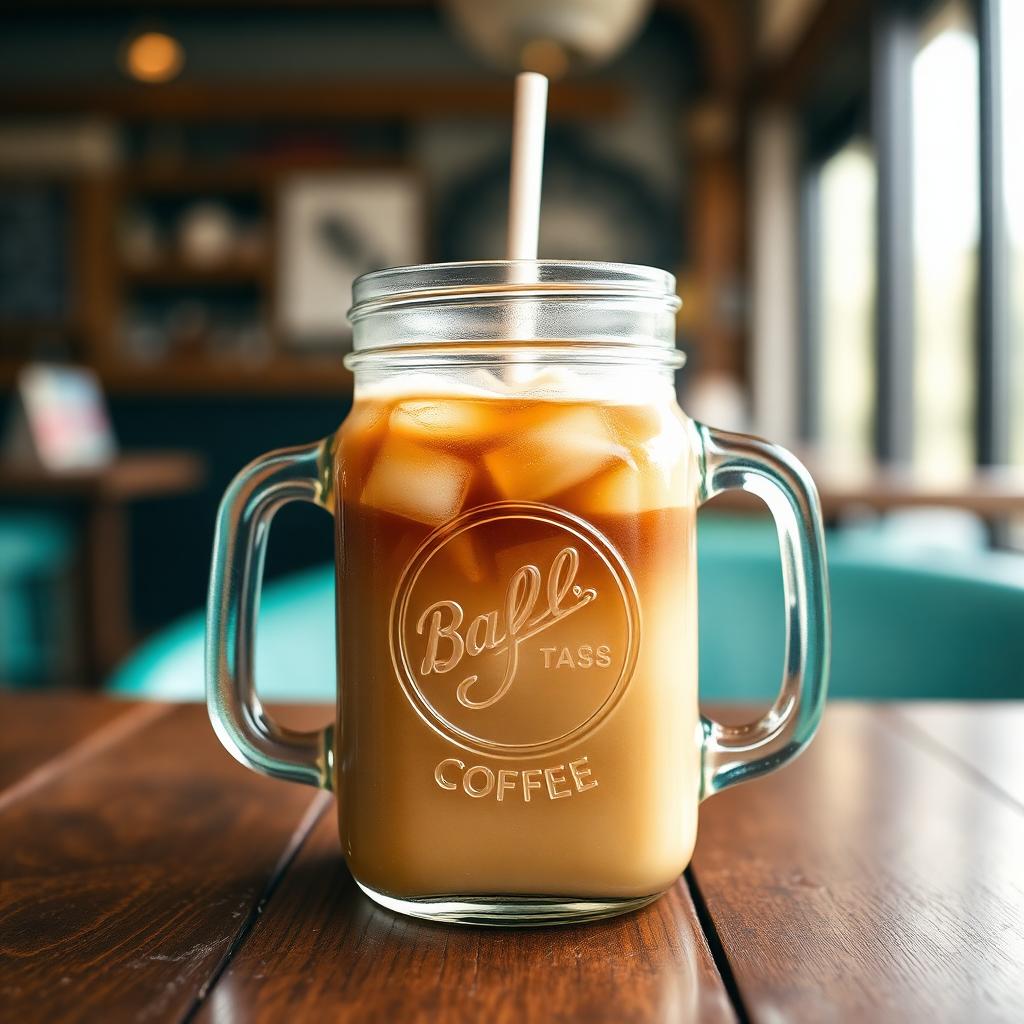
№ 38
●●●●●A Ball-style canning jar with a glass handle fused to the side. Functionally a cup, emotionally a Pinterest board. Dominated American brunch menus from roughly 2011 to 2018 and never fully retreated. Surprisingly good at cold brew; surprisingly bad at hot anything.
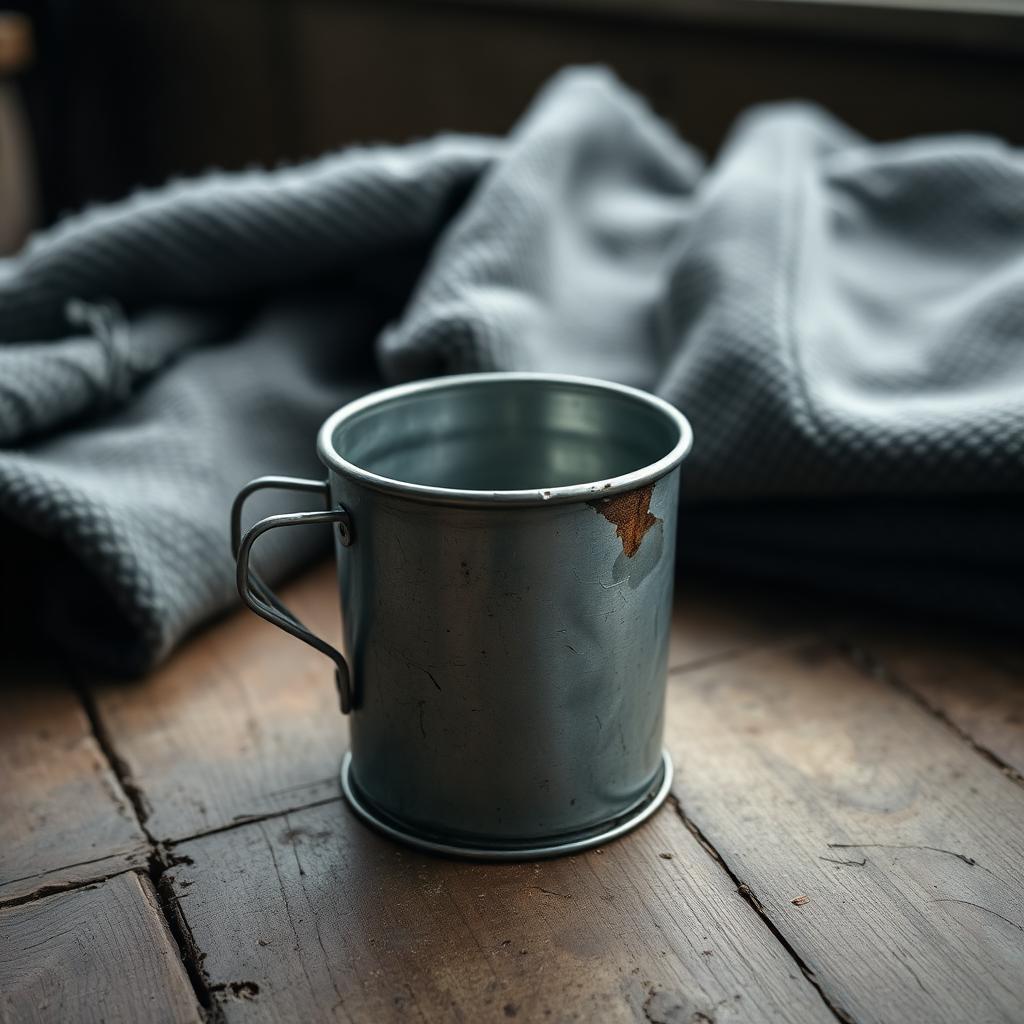
№ 39
●●●●●Pressed unenameled tin or galvanized steel with a wire-loop handle. Cheap, dent-prone, and faintly metallic to drink from. Standard issue in armies and institutions for two centuries. The cup that shows up in every black-and-white photo of someone surviving something.
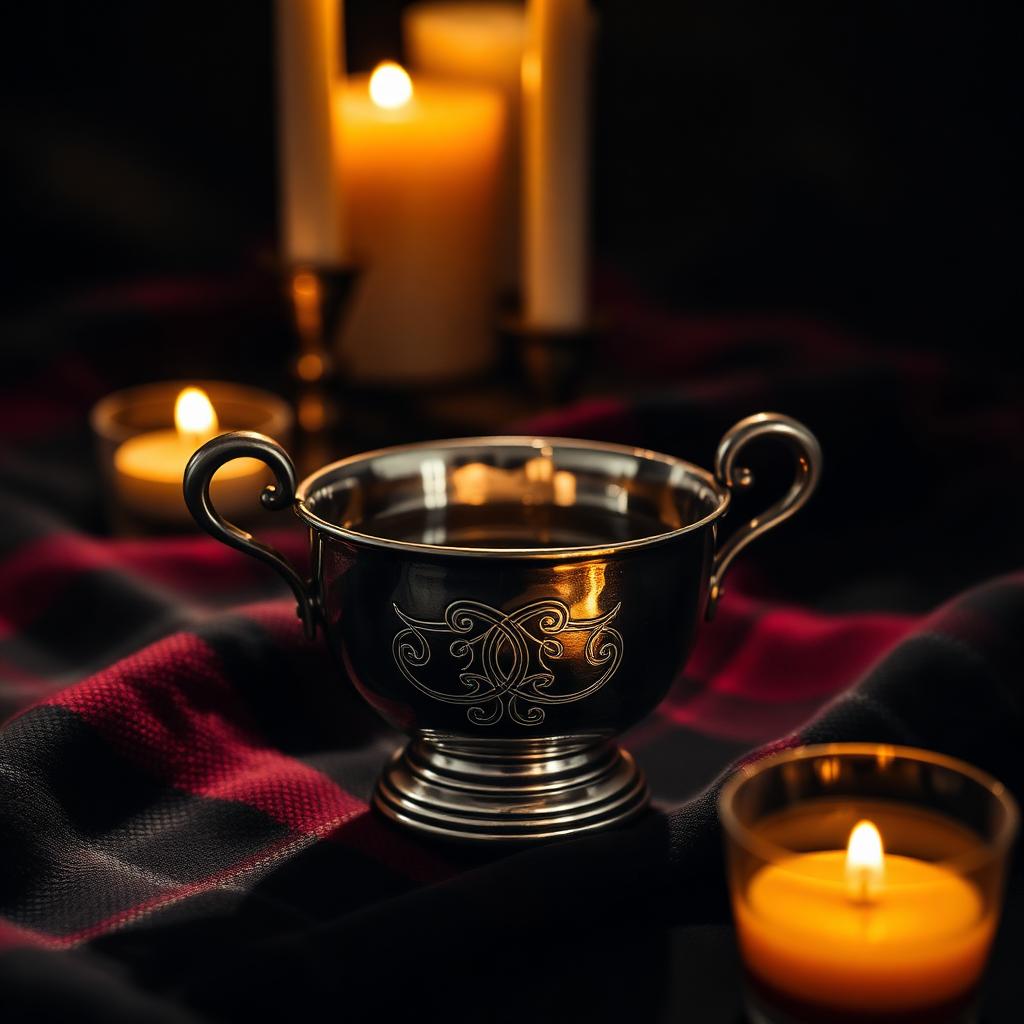
№ 40
●●●●●Scottish two-handled shallow drinking bowl, traditionally pewter or silver, often engraved with Celtic interlace. Both hands occupied, both hands visible — same trust gesture as the loving cup, refined into a smaller daily version. Still presented at Highland weddings and clan gatherings.
№ 41
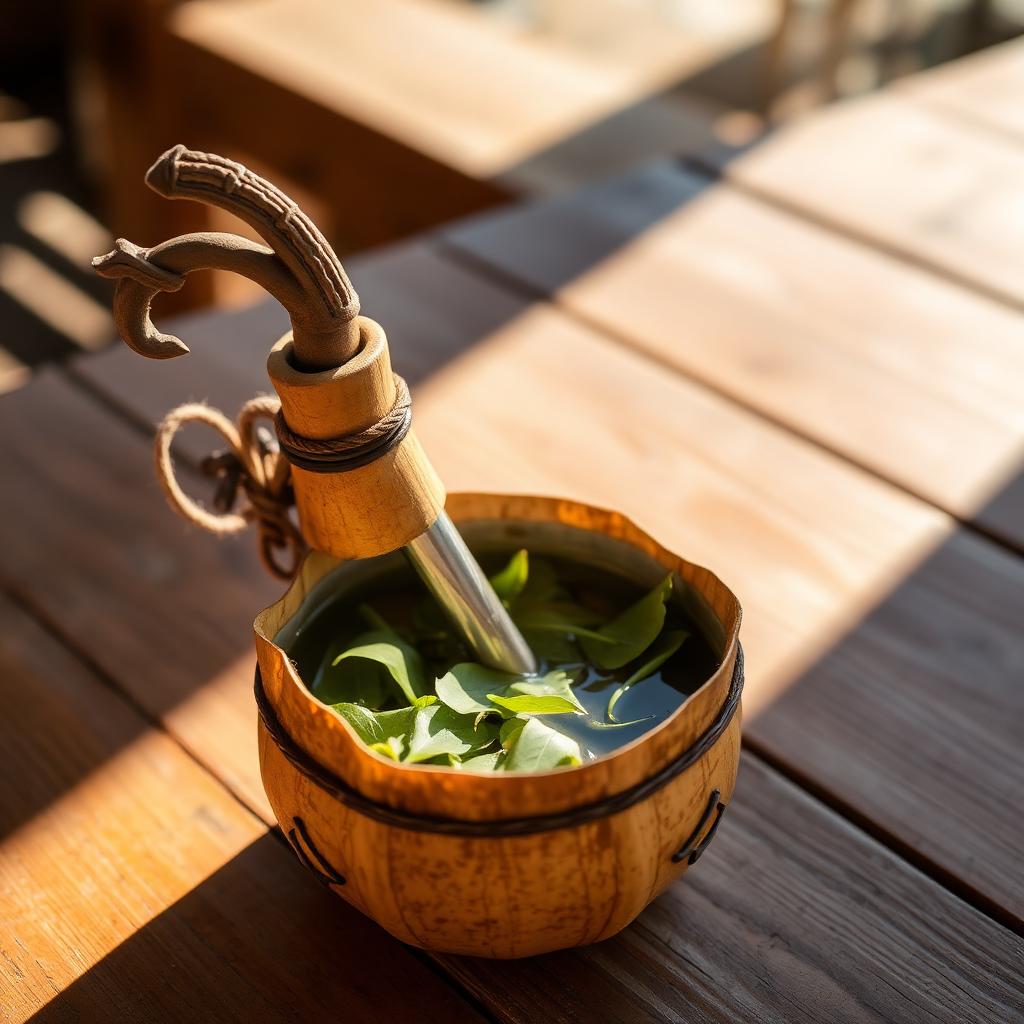
●●●●●A hollowed and cured calabash gourd, drunk through a metal bombilla — a straw with a built-in filter at the bulb end. In Argentina and Uruguay it's passed around the group; the cebador refills it for everyone in turn. Thanking the cebador early signals you're done.
№ 42
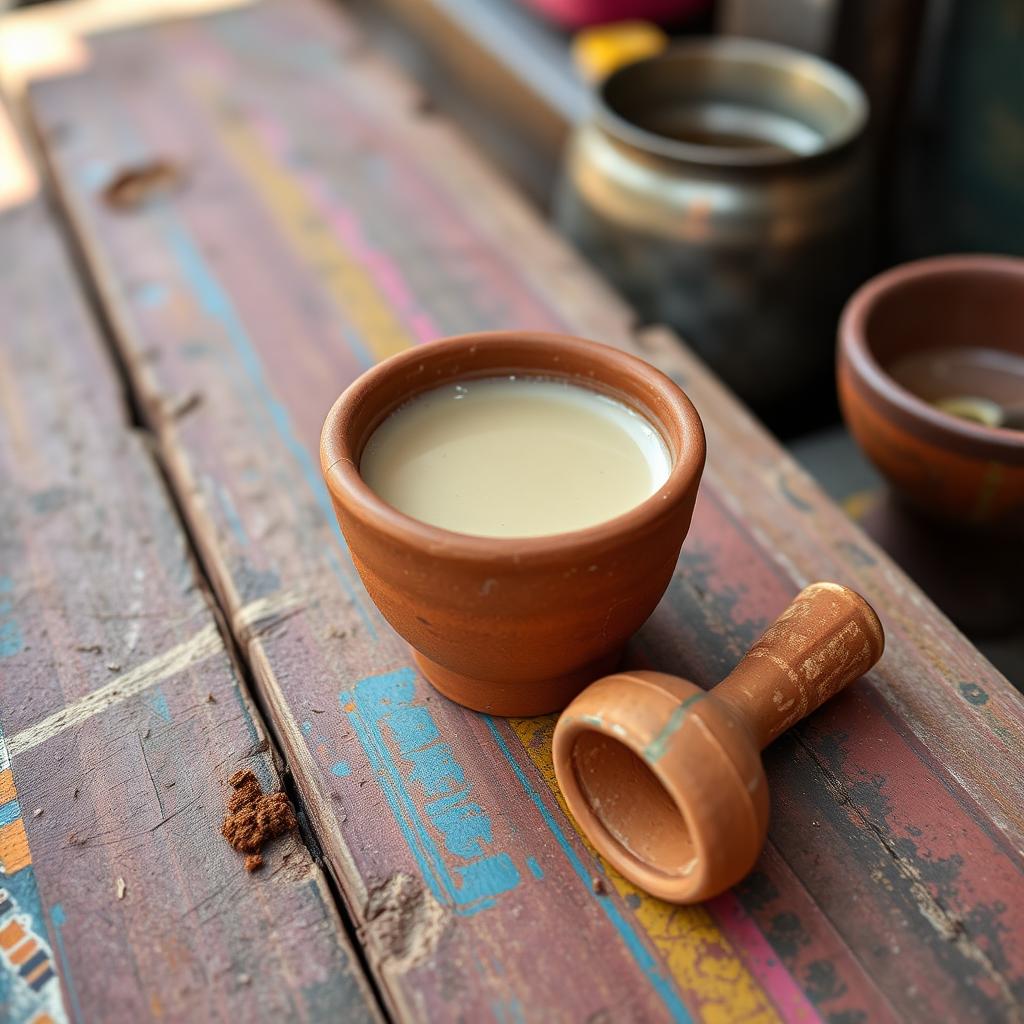
●●●●●Unglazed terracotta cup, fired in village kilns and sold by the dozen to chaiwallahs across India. Drink your chai, smash it on the platform — the clay returns to earth. Adds an unmistakable petrichor note to whatever's poured in it. The original biodegradable single-serve.
№ 43
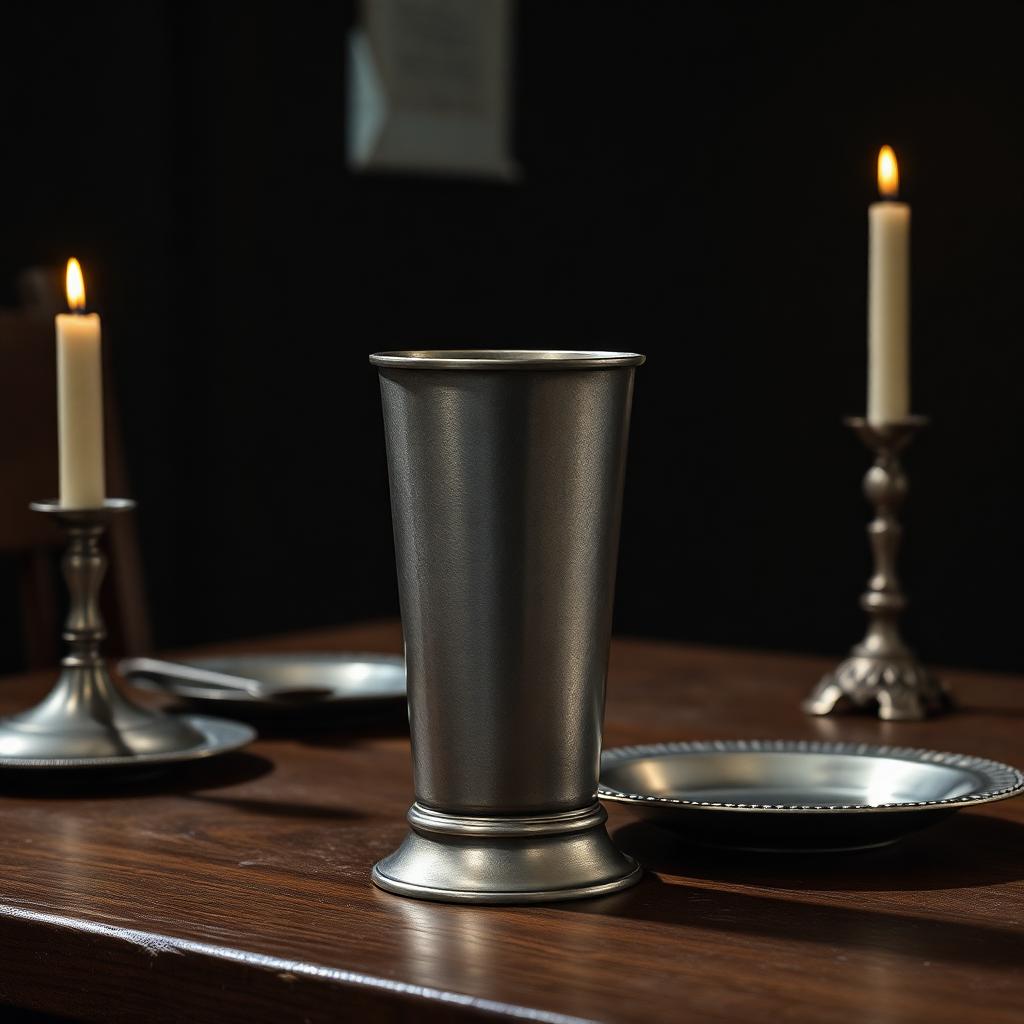
●●●●●Tall, straight-sided, no handle. The drinking cup of medieval and Tudor England, made of wood, horn, leather, or pewter long before glass tumblers were affordable. The word 'beaker' descends through Old English from Latin bicarium — the same root that eventually gives us 'pitcher.'
Etymology note
Beakers predate the word 'mug' in English by centuries. When Tudor potters started making cylindrical handled cups in the 1500s, they needed a new name for the new shape — and 'mug' arrived to fill the gap.
Read the word story →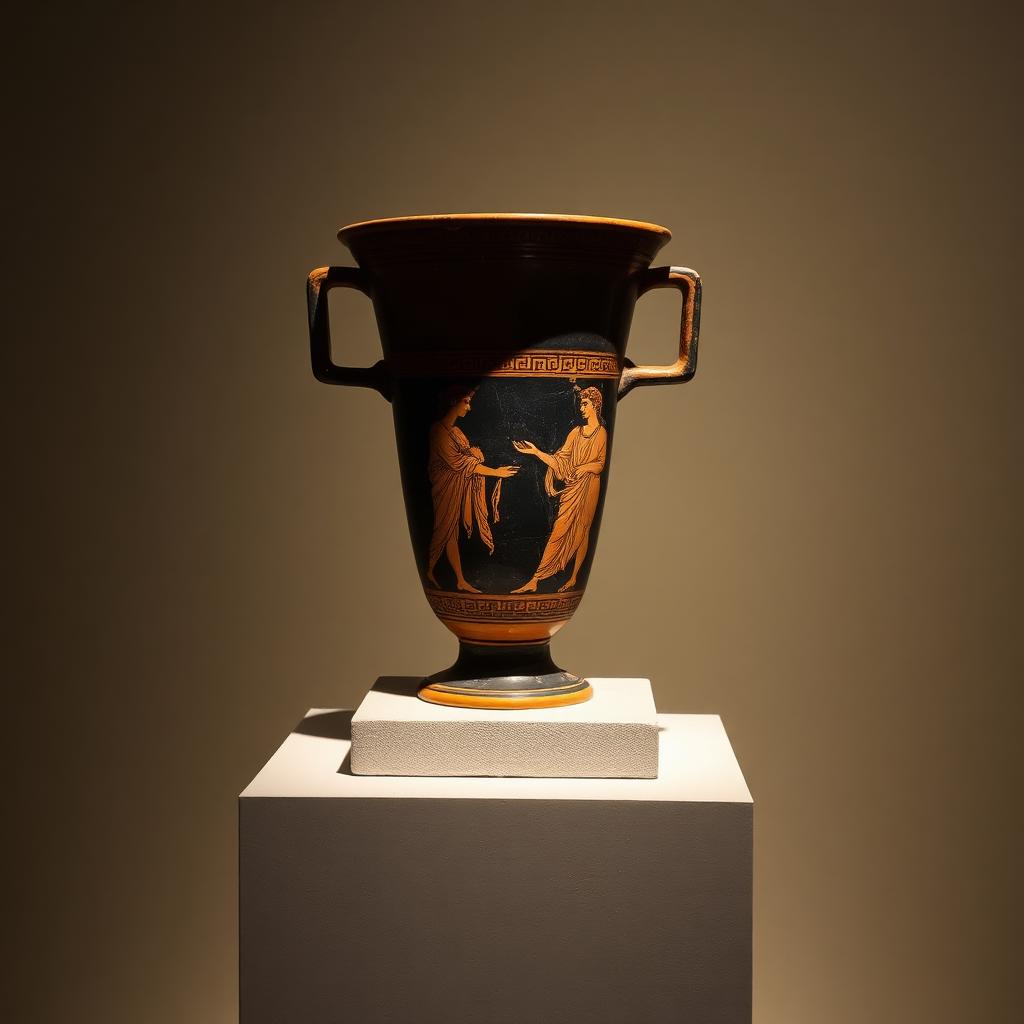
№ 44
●●●●●Ancient Greek two-handled wine cup, low and broad, made in black-figure or red-figure terracotta from roughly the 8th century BC onward. Two horizontal handles meant you could pass it across the symposium couch without spilling — the same engineering logic as every two-handled ceremonial cup that came after.
Etymology note
The skyphos is an ancestor of the loving cup and the quaich — proof that two-handled communal drinking is older than most languages currently spoken.
Read the word story →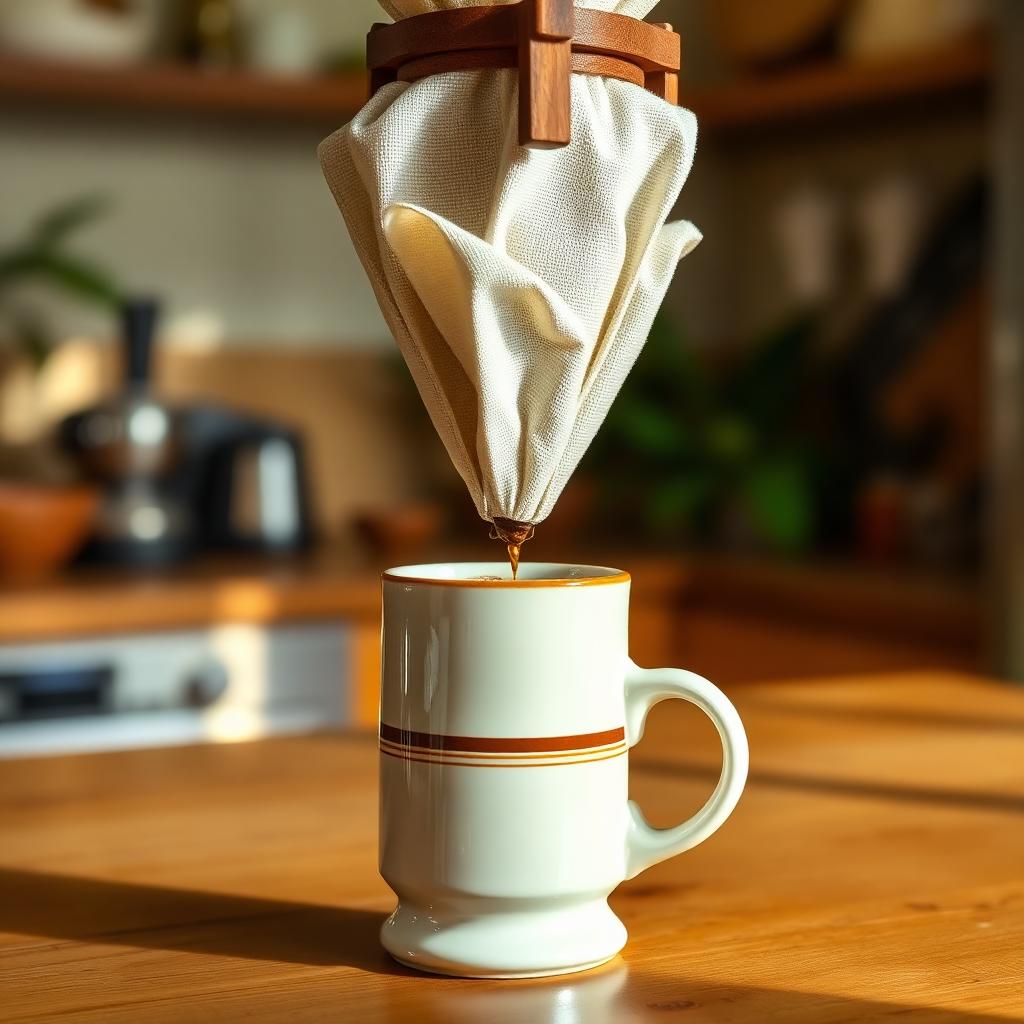
№ 45
●●●●●Tall, slightly tapered ceramic mug sized to sit beneath a chorreador — a wooden stand holding a cloth filter sock. Coffee drips through the bolsa straight into the cup. Standard breakfast equipment in Costa Rica since the late 1800s; the cloth filter produces a softer cup than paper ever will.
№ 46
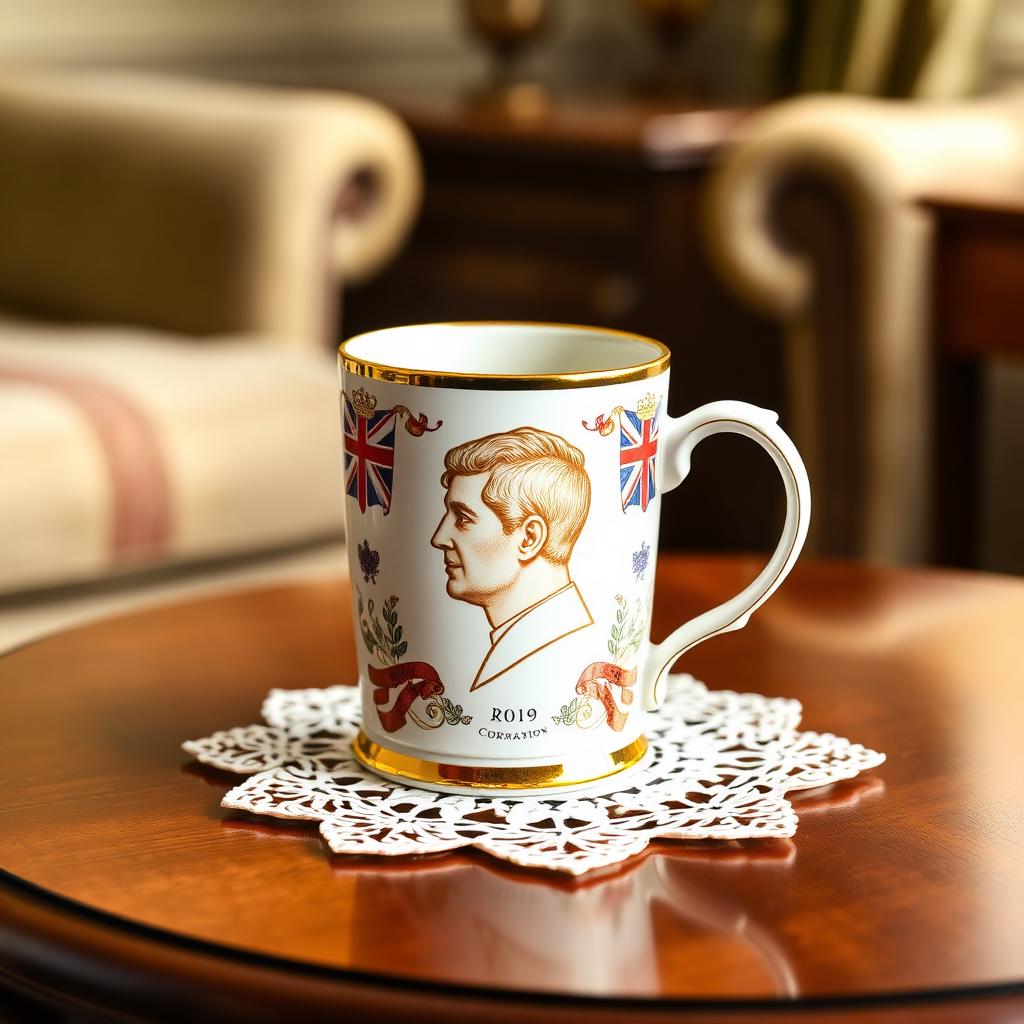
●●●●●British commemorative ceramic, gold-rimmed, transfer-printed with a monarch's profile and the date. Issued for every coronation, jubilee, and royal wedding since Queen Victoria. Half of them are never drunk from; the other half become someone's everyday mug for forty years and outlast the monarch.
№ 47
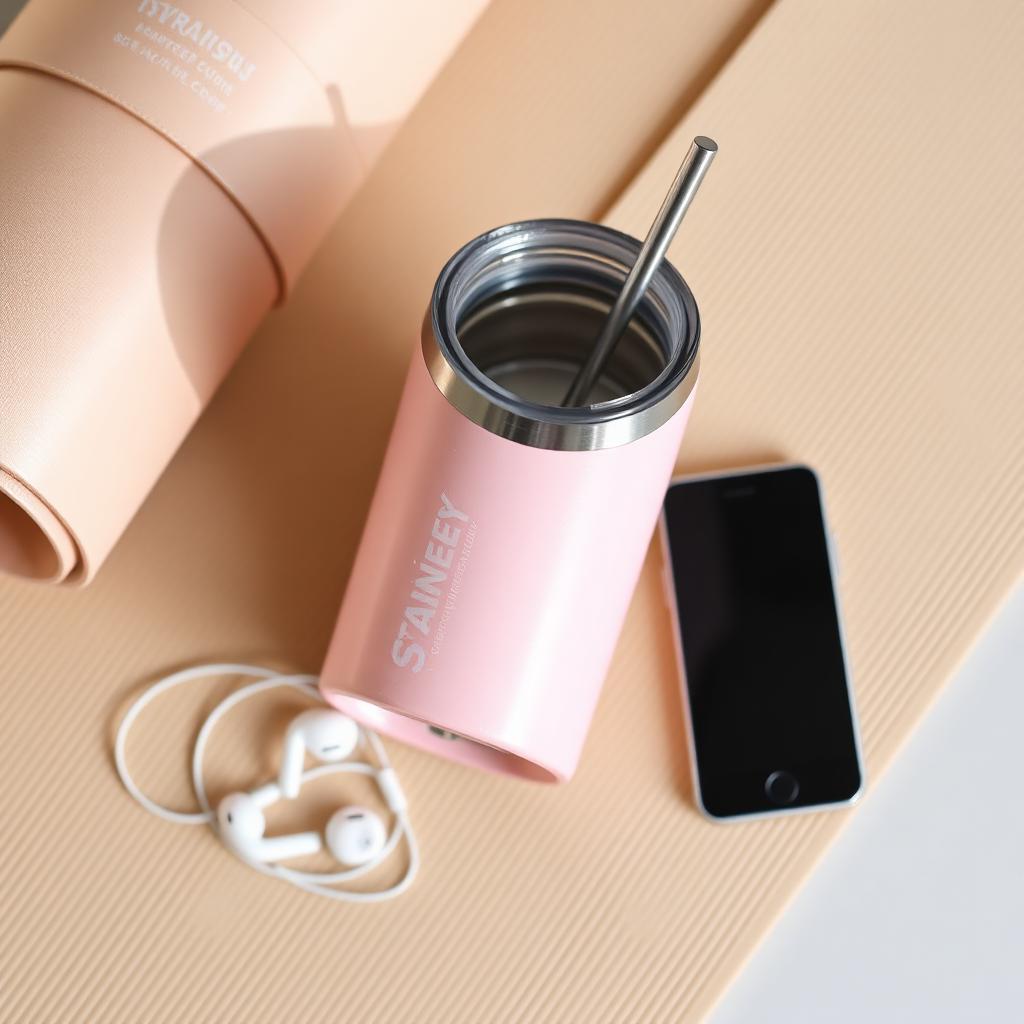
●●●●●Vacuum-insulated stainless tumbler with a handle and a reusable straw, in approximately every pastel ever named. Stanley's been making thermoses since 1913, but the Quencher went viral on TikTok in 2023 and briefly sold out of the entire planet. Equal parts hydration, accessory, and personality test.
FAQ